


Opportunities in the Expanding SLI Battery Industry
Introduction
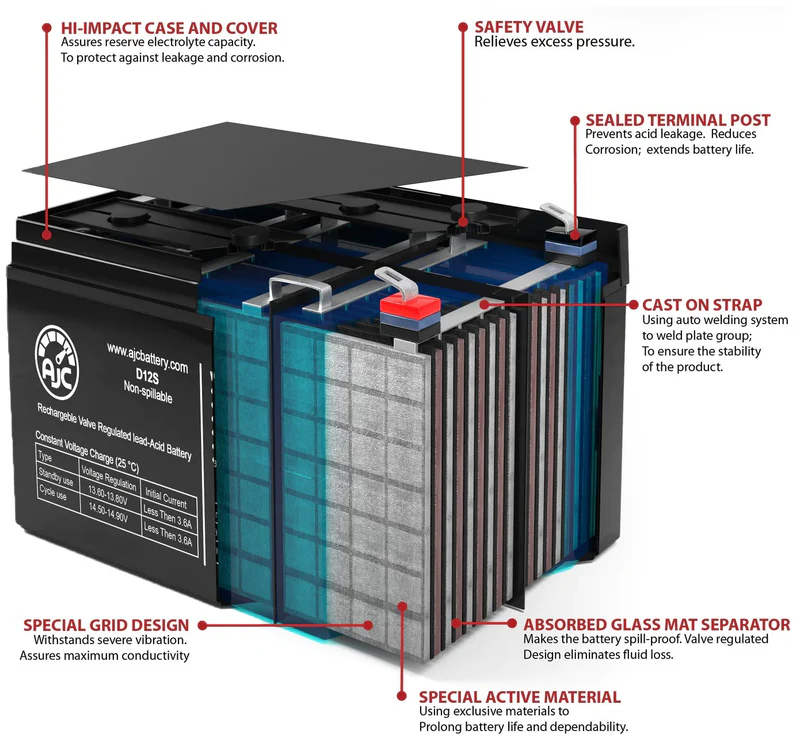
The SLI Battery Aftermarket is growing steadily as global vehicle ownership increases and aging automotive fleets require reliable battery replacements. SLI (Starting, Lighting, and Ignition) batteries are essential components in passenger vehicles, commercial vehicles, two-wheelers, and off-road equipment. They provide the initial burst of power needed to start engines, support vehicle lighting systems, and power essential electrical functions. As consumer vehicles age, the need for replacement batteries grows, making the aftermarket a vital segment of the automotive ecosystem. Expanding mobility demand, rising urbanization, and increasing maintenance awareness contribute to the market’s long-term growth.
Market Drivers
A major driver of this market is the aging global vehicle fleet, especially in developing regions where vehicle replacement cycles are longer. Frequent stop-and-go driving, extreme weather conditions, and increasing use of electronic accessories accelerate battery wear, boosting aftermarket demand. Growth in the two-wheeler market across Asia-Pacific contributes significantly to SLI battery replacements. Expansion of e-commerce platforms makes battery purchasing more accessible, fueling demand for aftermarket products. Rising adoption of start-stop systems in modern vehicles increases battery stress, raising the need for high-performance aftermarket replacements. Additionally, increased consumer focus on preventive maintenance strengthens market growth.
Market Challenges
Despite strong demand, the SLI Battery Aftermarket faces challenges such as fluctuations in raw material prices—particularly lead—affecting battery manufacturing costs. Environmental regulations on battery disposal and recycling require aftermarket suppliers to comply with strict guidelines, increasing operational complexity. Counterfeit and low-quality batteries in certain markets undermine consumer confidence and pose safety risks. The rising adoption of electric vehicles may gradually reduce long-term SLI battery demand, although EVs still use auxiliary 12V batteries. Supply chain disruptions can impact availability for retailers and workshops. Additionally, improper installation or lack of consumer knowledge may lead to premature battery failures.
Market Opportunities
There are major opportunities in supplying advanced SLI batteries such as AGM (Absorbent Glass Mat) and EFB (Enhanced Flooded Battery) designed to support modern vehicles with high electrical loads. The rise of online retail offers strong growth potential for aftermarket brands to reach consumers directly. Emerging markets in Africa, Southeast Asia, and Latin America present long-term opportunities as vehicle ownership expands. Growth in ride-sharing fleets and last-mile delivery vehicles creates recurring battery replacement demand. Workshops and automotive service centers can benefit from value-added offerings such as battery testing, doorstep installation, and maintenance subscription plans. Sustainable practices—such as recycling incentives and eco-friendly production—also create new business avenues.
Regional Insights
Asia-Pacific dominates the SLI Battery Aftermarket due to large two-wheeler volumes, high vehicle density, and strong aftermarket activity in India, China, Indonesia, and Vietnam. North America shows steady growth driven by aging vehicle fleets and increasing use of electrical accessories. Europe demonstrates consistent demand supported by dense vehicle ownership and advanced automotive service networks. Latin America exhibits rising aftermarket needs across Brazil, Mexico, and Argentina. The Middle East shows demand in passenger and commercial vehicle segments, while Africa presents long-term opportunities due to growing urban mobility and expanding auto markets.
Future Outlook
The future of the SLI Battery Aftermarket will be shaped by advanced battery chemistries, digital retail channels, and sustainability initiatives. AGM and EFB batteries will continue gaining traction as start-stop vehicles become more common. Recycling programs, circular economy practices, and eco-friendly materials will play a major role in shaping future market competitiveness. Digital platforms offering battery health diagnostics, smart installation guides, and compatibility tools will enhance customer experience. Autonomous vehicles—though still emerging—may introduce new auxiliary battery requirements. While long-term EV adoption may gradually reduce replacement volumes, widespread use of 12V support batteries ensures continued aftermarket growth.
Conclusion
The SLI Battery Aftermarket continues to expand as global vehicle ownership rises, aging fleets require frequent replacements, and consumer awareness of maintenance increases. Despite challenges involving raw material volatility, counterfeit products, and environmental regulations, strong demand arises from diverse vehicle segments and growing mobility needs. Advancements in AGM/EFB technology, digital platforms, and sustainability practices will shape future market evolution. As transportation systems evolve, SLI batteries will remain essential components of automotive reliability and safety.

 English
 Arabic
 French
 Spanish
 Portuguese
 Deutsch
 Dutch
Dutch
 Italiano
 Russian
 Romaian
 Portuguese (Brazil)
 Greek
Greek