


Does Facelift Surgery in Dubai Affect Facial Nerves or Sensation?
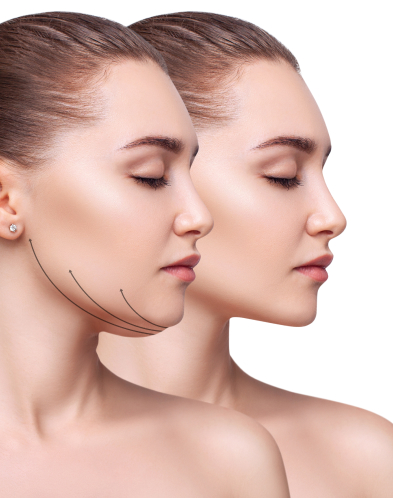
Facelift surgery (جراحة شد الوجه ) is a highly effective procedure for addressing sagging skin, jowls, and visible signs of aging. Many patients, however, express concerns about facial nerve damage or changes in sensation during or after surgery. Understanding how facelift surgery interacts with the facial nerve system, the likelihood of temporary changes, and strategies to reduce risks is crucial for anyone considering this cosmetic procedure.
Understanding Facial Nerves:
The face is controlled by a complex network of nerves that regulate:
-
Muscle movement for expressions such as smiling or frowning
-
Sensation in areas like the cheeks, chin, and jawline
-
Coordination of fine motor functions
The most important nerves affected during facelift surgery are branches of the facial nerve (cranial nerve VII). These nerves are responsible for moving muscles of facial expression, and their safety is a top priority during surgery.
How Facelift Surgery Interacts With Facial Nerves?
Facelift surgery involves lifting and repositioning skin and underlying tissues. While skilled surgeons aim to avoid nerves, minor effects may occur:
Temporary Numbness or Tingling:
It’s common for patients to experience mild numbness, tingling, or reduced sensation in the cheeks, jawline, or around the ears after surgery. This is usually due to:
-
Swelling compressing small sensory nerves
-
Temporary trauma to superficial nerves during tissue manipulation
Sensation typically returns gradually within a few weeks to months.
Rare Nerve Injury:
Severe nerve injury is rare but can affect:
-
Motor function: Weakness in smiling, frowning, or raising eyebrows
-
Sensory function: Persistent numbness or altered skin sensation
Modern facelift techniques focus on protecting the facial nerve, making serious complications uncommon when performed by experienced professionals.
Areas Most at Risk:
-
Around the jawline and lower cheeks
-
Near the temporal region
-
Areas close to the ear where incisions are placed
Awareness of these areas helps surgeons minimize risks and plan safe incisions.
Minimizing Nerve Risks During Facelift Surgery:
Pre-Surgical Assessment:
A thorough evaluation of your facial anatomy, medical history, and prior procedures helps anticipate areas where nerves may be vulnerable.
Choosing the Right Technique:
Modern facelift approaches, such as deep-plane or SMAS facelift, emphasize controlled tissue manipulation to:
-
Protect motor nerves
-
Reduce traction on sensory nerves
-
Maintain natural facial expressions
Surgeon Experience:
Selecting a surgeon trained in advanced facelift techniques reduces the likelihood of complications. Precision in dissection and knowledge of nerve pathways are critical.
Post-Operative Care:
Proper care after surgery supports nerve recovery:
-
Avoiding pressure or trauma to incision areas
-
Following activity restrictions
-
Attending all follow-up appointments for early detection of any issues
Benefits of Facelift Surgery With Minimal Nerve Impact:
| Benefit | Explanation |
|---|---|
| Safe and natural results | Modern techniques prioritize nerve preservation |
| Improved facial aesthetics | Lifts sagging skin without compromising expression |
| Temporary numbness resolves | Most sensory changes are short-lived |
| Low complication rates | Advanced planning and technique reduce risks |
| Enhanced confidence | Patients achieve rejuvenation safely and effectively |
When performed correctly, facelift surgery in Dubai offers a balance of aesthetic improvement and nerve safety, giving patients both beauty and reassurance.
Recovery of Facial Sensation After Surgery:
-
Weeks 1–2: Mild swelling and numbness are common
-
Weeks 3–6: Sensation gradually improves as swelling subsides
-
Months 3–6: Most patients regain normal feeling and muscle control
Persistent nerve issues are rare but should be evaluated promptly if they occur.
Frequently Asked Questions (FAQs):
Will facelift surgery permanently affect my facial nerves?
Permanent nerve damage is extremely rare. Most changes in sensation are temporary and resolve over weeks to months.
Can I still make normal facial expressions after surgery?
Yes. Skilled surgeons preserve motor nerves, so facial expressions remain natural.
How long does numbness last after facelift surgery?
Mild numbness usually lasts 2–12 weeks, depending on individual healing.
Are there specific techniques that reduce nerve risks?
Yes. Deep-plane and SMAS facelift techniques are designed to protect nerves while lifting tissues effectively.
What should I do if I notice abnormal sensation post-surgery?
Report persistent numbness, tingling, or weakness to your surgeon immediately for assessment and management.
Conclusion:
Facelift surgery in Dubai (جراحة شد الوجه في دبي)is designed to enhance facial aesthetics while preserving nerve function. Temporary numbness or tingling is common but usually resolves with time. Serious nerve damage is rare when procedures are performed by skilled professionals using modern techniques. By understanding the relationship between facelift surgery and facial nerves, preparing properly, and following post-operative care, patients can achieve natural, youthful results without compromising facial sensation or expression.

 Arabic
 French
 Spanish
 Portuguese
 Deutsch
 Turkish
 Dutch
Dutch
 Italiano
 Russian
 Romaian
 Portuguese (Brazil)
 Greek
Greek