


The Joy and Frustration of Sudoku: My Puzzle Obsession
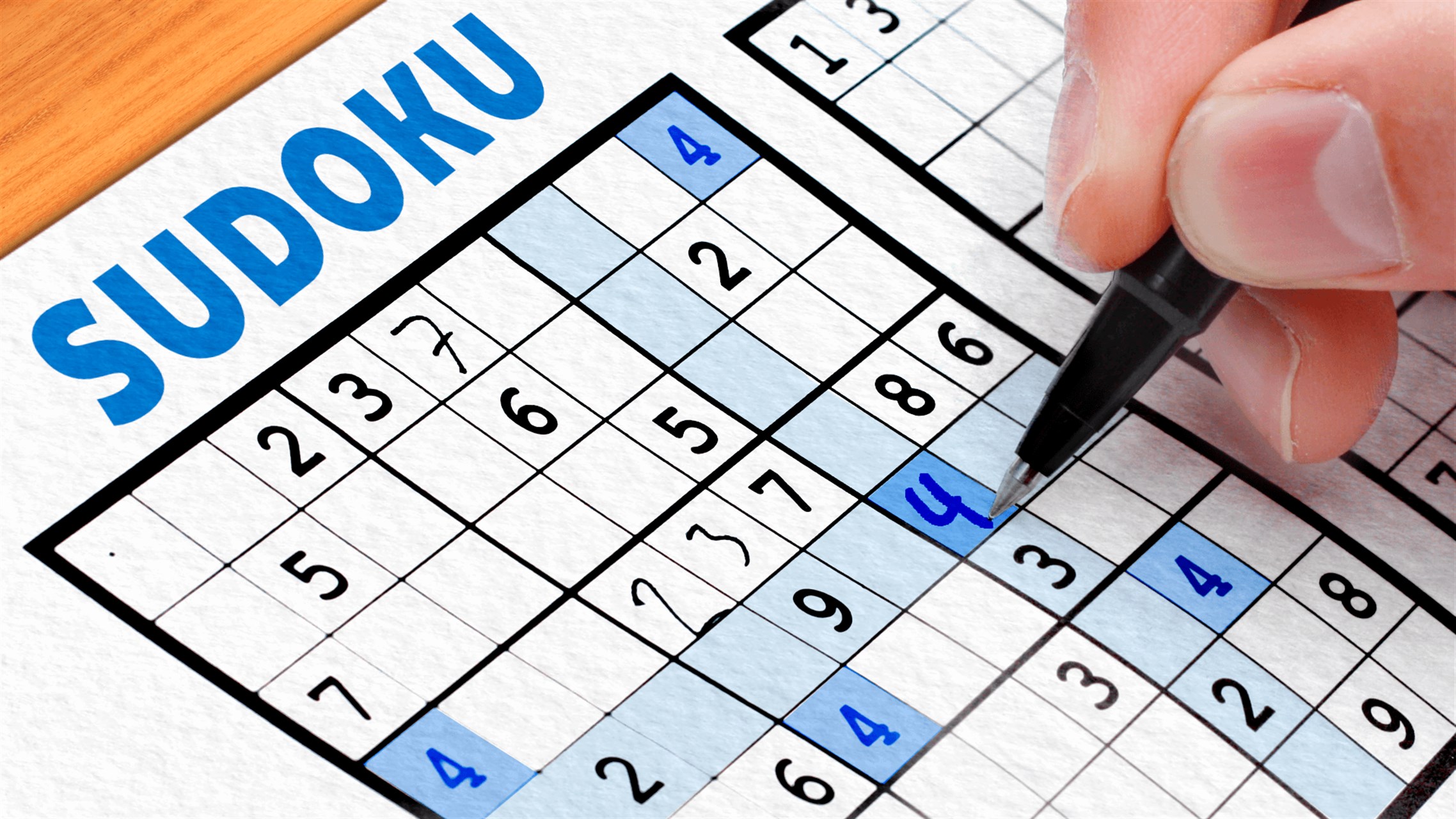
I never thought a simple grid of numbers could hold so much power over my moods, my mornings, and even my sense of accomplishment. Yet here I am, years after first encountering Sudoku, still drawn to it like a moth to a flame. It’s funny how something so structured—just numbers in neat squares—can evoke such intense emotions: satisfaction, frustration, excitement, and sometimes sheer disbelief at my own mistakes.
How I Discovered Sudoku
My first encounter with Sudoku was almost accidental. I was waiting at a café for a friend, flipping through a free newspaper, when a 9x9 grid caught my eye. “Hmm, what’s this?” I asked myself. A few minutes later, I was hooked, pen in hand, completely absorbed.
At the beginning, it was purely curiosity. I had no strategy—just filling in numbers wherever I thought they might fit. Unsurprisingly, I made a lot of mistakes. Yet, even in those early days, I felt something unique: a challenge that required both focus and creativity. Unlike other games that rely on speed or luck, Sudoku demanded logical thinking and patience.
Why Sudoku Is So Addictive
The beauty of Sudoku lies in its simplicity and depth. The rules are easy to understand: fill each row, column, and 3x3 box with numbers 1–9 without repeating any number. That’s it. But the challenge comes from figuring out how to do it efficiently.
For me, Sudoku is addictive because it constantly surprises me. Sometimes, a puzzle that looks easy at first becomes maddeningly difficult after a few moves. Other times, what seems impossible suddenly clicks in a glorious “aha” moment. That unpredictable rhythm keeps me coming back. Each grid is like a new adventure with a guaranteed ending—if I’m patient and logical enough.
My Most Memorable Puzzle
I’ll never forget the first time I solved a “hard” Sudoku puzzle without peeking at solutions or hints. It was a late evening, my desk lit only by a small lamp, coffee cooling beside me. I was stuck, convinced I had made a mistake somewhere. Frustration was mounting. My pen hovered over the page, unsure which number to commit to.
Then it happened. I noticed a pattern I hadn’t seen before—an interaction between two rows that allowed me to place a number confidently. One placement led to another, and soon, the entire grid snapped into place. I literally leaned back, letting out a triumphant laugh. It was one of those rare moments where sheer mental effort translates into tangible satisfaction. That day, I realized Sudoku was more than just a game—it was a small, personal victory over chaos and confusion.
The Emotional Rollercoaster
Sudoku has a funny way of tugging at your emotions. When you’re stuck, it can be infuriating. You question your logic, your memory, even your intelligence. A single misplaced number can derail an entire puzzle, forcing you to start over.
Yet, when the numbers finally align, the rush of accomplishment is profound. It’s not just finishing the puzzle—it’s knowing that every step, every tentative mark, and every small deduction led to that perfect solution. That emotional contrast—frustration and triumph—is what makes Sudoku so compelling for me.
My Sudoku Rituals
Over the years, I’ve developed little rituals that enhance my enjoyment of Sudoku:
-
A quiet space: I usually play in a café or on a cozy corner of my apartment, away from distractions.
-
Pencil over pen: Light pencil marks help me track possibilities without committing prematurely.
-
Breaks are sacred: If I’m stuck, stepping away for a few minutes often brings clarity.
-
Slow and steady wins: I avoid rushing. Careful observation beats speed every time.
These habits might seem small, but they transform Sudoku from a frustrating puzzle into a meditative, almost mindful activity.
Lessons I’ve Learned
Sudoku has taught me more than just logical reasoning. It has offered life lessons disguised as a game:
-
Patience pays off: Sometimes solutions require time, not force.
-
Attention to detail matters: One small oversight can cascade into bigger problems.
-
Adaptability is key: Changing your approach when stuck often leads to breakthroughs.
-
Savor the journey: It’s about the process, not just the end result.
Oddly enough, these lessons have spilled over into other areas of life. When I face complicated tasks or stressful situations, I often think back to a particularly stubborn Sudoku puzzle and remind myself to stay calm, focused, and flexible.
Funny Sudoku Stories
Not every Sudoku experience is serene or enlightening. Some are downright hilarious. I remember working on a puzzle in a library once and getting stuck for an hour. Eventually, I realized I had been filling in the wrong row entirely—a simple misalignment causing hours of confusion. I had to laugh at myself in front of strangers, pen hovering over the page like a warrior defeated by a tiny grid of numbers.
Other times, I’ve raced against friends or even strangers online, trying to finish a puzzle faster. The competitive energy adds a layer of excitement and sometimes pure absurdity. Who knew a 9x9 grid could spark such drama?
Tips for Fellow Sudoku Players
If you’re new to Sudoku or looking to improve, here are a few tips I swear by:
-
Start simple: Build confidence with easier puzzles before tackling “hard” ones.
-
Track possibilities: Pencil marks are lifesavers for complex grids.
-
Step back: A fresh perspective often reveals hidden patterns.
-
Focus on patterns, not numbers: Recognizing interactions between rows, columns, and boxes is key.
-
Enjoy mistakes: They’re part of learning and make success sweeter.
Even after years of practice, I still discover new tricks and approaches. Sudoku is endlessly engaging because there’s always something new to learn.
Why Sudoku Still Fascinates Me
After all this time, why do I keep coming back to Sudoku? Because it’s more than a puzzle. It’s a mental playground, a stress-reliever, and a source of quiet joy. Each puzzle is a challenge to think clearly, focus deeply, and celebrate small victories.
Even on tough days, a Sudoku puzzle can ground me. There’s something comforting about its rules and structure, a reminder that logic and patience can solve problems—even when life feels chaotic.
Final Thoughts
Sudoku has been a companion through lazy mornings, long commutes, and quiet evenings. It’s taught me patience, focus, and the joy of small victories. And perhaps most importantly, it reminds me to find satisfaction in the process, not just the outcome.

 English
 French
 Spanish
 Portuguese
 Deutsch
 Turkish
 Dutch
Dutch
 Italiano
 Russian
 Romaian
 Portuguese (Brazil)
 Greek
Greek