


Making Electric Mobility Heard and Safer
Introduction
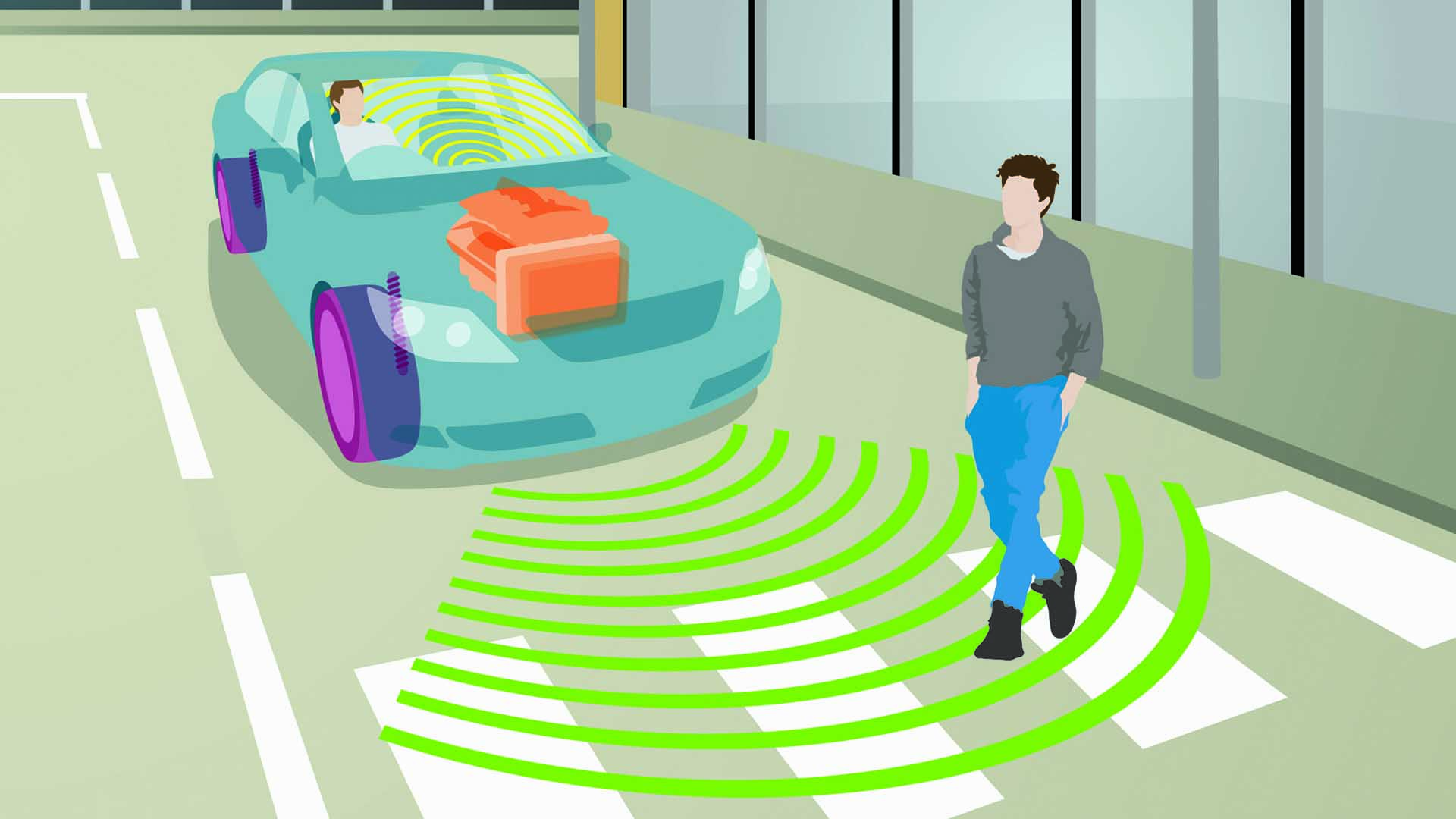
The electric vehicle sound generator market focuses on systems designed to produce artificial exterior sounds for electric and hybrid vehicles, especially at low speeds. Unlike internal combustion vehicles, electric vehicles operate almost silently, which can pose safety risks for pedestrians, cyclists, and visually impaired individuals. Electric vehicle sound generators create audible alerts that mimic engine noise or generate distinct tones to signal vehicle presence. These systems typically activate at low speeds and fade out as speed increases. As electric vehicle adoption rises globally, sound generators have become an essential safety feature rather than a design choice, shaping how quiet vehicles communicate with their surroundings.
Market Drivers
The market is driven primarily by government regulations and safety mandates aimed at reducing pedestrian accidents. Many regions now require electric and hybrid vehicles to be equipped with acoustic vehicle alerting systems that emit sound at low speeds. Rising electric vehicle sales directly increase demand for compliant sound generator systems. Growing urbanization and dense traffic environments further support adoption, as silent vehicles are more likely to operate near pedestrians. Automakers are also using sound design as a brand identity tool, creating unique sound signatures that enhance vehicle character. Increasing awareness about road safety and inclusivity for visually impaired individuals continues to strengthen market growth.
Market Challenges
Despite regulatory support, the market faces challenges related to sound design acceptance and system integration. Creating sounds that are clearly audible without being annoying or contributing to noise pollution is a delicate balance. Public perception varies, with some users preferring minimal noise while others value stronger alerts. Integration of sound generators into vehicle electrical and software systems requires precise calibration to ensure correct activation based on speed and driving conditions. Cost sensitivity in entry-level electric vehicles can limit the use of advanced sound systems. Durability and weather resistance are also important, as sound generators are exposed to external environmental conditions.
Market Opportunities
The market offers strong opportunities through innovation in sound customization and smart control. Advanced sound generators allow adaptive volume and tone changes based on speed, surroundings, and time of day. Integration with vehicle sensors and artificial intelligence enables context-aware sound output that enhances safety while minimizing unnecessary noise. Growth of premium electric vehicles opens opportunities for branded and customizable sound profiles. Expansion of electric two-wheelers and light electric vehicles creates new application areas for compact sound generator systems. Aftermarket retrofitting solutions may also find demand in regions updating older electric vehicles to meet new safety regulations.
Regional Insights
Regional demand varies based on regulatory enforcement and electric vehicle adoption rates. Europe is a leading market due to early implementation of pedestrian safety sound regulations and strong electric vehicle penetration. Countries such as Germany, France, and the United Kingdom show consistent demand. North America follows closely, driven by safety standards and growing electric vehicle sales in the United States and Canada. Asia-Pacific is a rapidly growing market supported by high electric vehicle production in China, Japan, and South Korea. Urban density and government safety initiatives further drive adoption in the region. Latin America and the Middle East are emerging markets where electric vehicle growth is gradually creating demand for sound generator systems.
Future Outlook
The future of the electric vehicle sound generator market will be shaped by smarter sound management and integration with connected vehicle ecosystems. Sound systems will become more adaptive, adjusting output based on traffic conditions, pedestrian density, and environmental noise levels. Manufacturers may focus on creating standardized yet customizable sound libraries that balance safety and comfort. As autonomous vehicles become more common, sound generators may play a broader role in communicating vehicle intent to pedestrians. Advances in compact speakers, energy efficiency, and software control will further enhance system performance while minimizing power consumption.
Conclusion
The electric vehicle sound generator market plays a crucial role in ensuring safety as transportation shifts toward quieter electric mobility. These systems help bridge the gap between silent operation and pedestrian awareness, reducing accident risks in urban environments. While challenges related to sound acceptance, cost, and integration remain, strong regulatory support and continuous innovation continue to drive market growth. As electric vehicles become mainstream, sound generators will remain an essential component supporting safe, inclusive, and well-communicated road use.

 English
 Arabic
 French
 Spanish
 Portuguese
 Deutsch
 Turkish
 Dutch
Dutch
 Italiano
 Russian
 Portuguese (Brazil)
 Greek
Greek