


Unpacking the Powerful Catalysts Behind Sustained GPS Tracker Growth
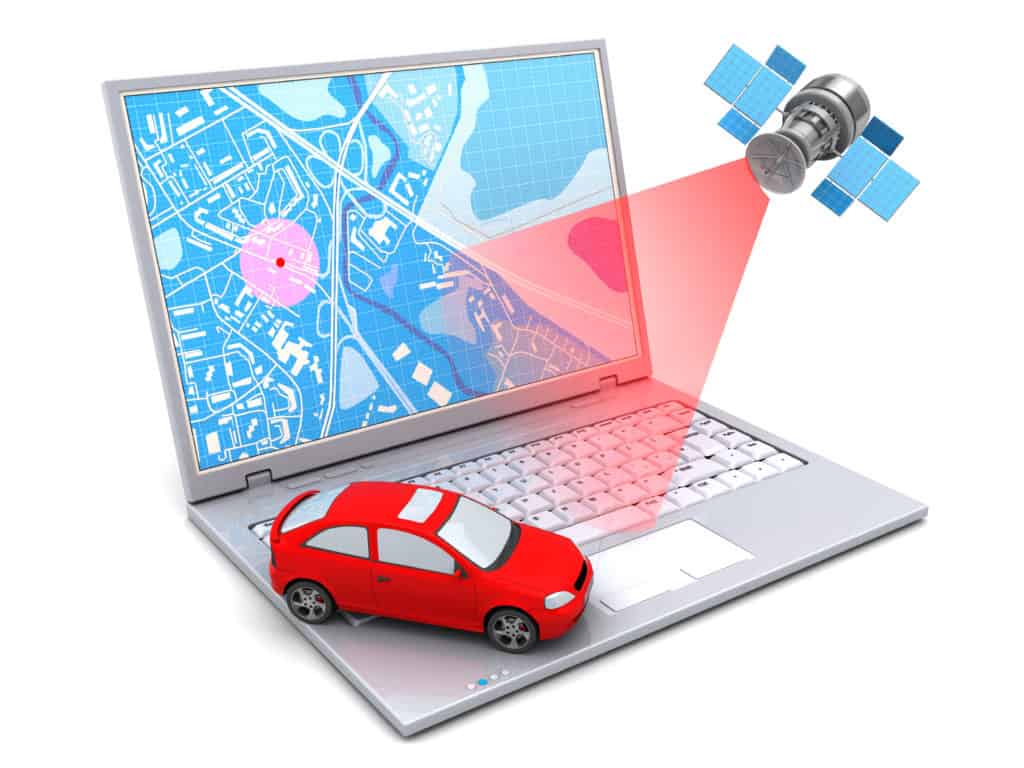
The consistent and rapid GPS Tracker Growth is a direct result of the technology's convergence with major economic and social trends. The market's impressive 12.8% CAGR, leading to a projected value of USD 11.88 Billion by 2035, is fueled by a series of powerful catalysts that extend its utility far beyond basic navigation. A primary catalyst is the explosive growth of the e-commerce and on-demand delivery economy. Consumers now expect fast, reliable, and transparent delivery services, from online shopping and food delivery to ride-sharing. This has created immense pressure on logistics and delivery companies to optimize their operations. GPS tracking is the core technology that enables this entire ecosystem, providing the route optimization, real-time vehicle tracking, and accurate estimated times of arrival (ETAs) that are essential for meeting customer expectations and maintaining a competitive edge in this fast-paced sector.
Another significant growth engine is the increasing stringency of government regulations and compliance mandates across various industries. In the transportation sector, many countries have mandated the use of electronic logging devices (ELDs) to monitor drivers' hours of service, and these devices are fundamentally built on GPS technology. Regulations related to food and pharmaceutical safety often require companies to monitor and document the temperature of their cargo throughout the supply chain (cold chain monitoring), a task for which GPS trackers with integrated temperature sensors are ideal. Furthermore, some governments are making GPS trackers mandatory for public transportation vehicles and commercial taxis to enhance passenger safety and monitor service quality. These regulatory tailwinds are creating a captive market and forcing adoption, acting as a powerful and sustained catalyst for market growth.
The rising adoption of usage-based insurance (UBI) in the automotive sector is another key driver of growth. Insurance companies are increasingly offering policies where the premium is directly tied to the driver's actual behavior on the road. This is made possible by OBD-II trackers or smartphone apps that monitor factors like mileage, speed, hard braking, and time of day. By encouraging safer driving habits, UBI programs can reduce accidents and claims, benefiting both the insurer and the policyholder. As more consumers opt for these potentially cost-saving insurance plans, the demand for the underlying GPS tracking technology increases significantly. This creates a powerful new sales channel for telematics providers and hardware manufacturers, directly contributing to the overall expansion of the GPS tracker market.
Furthermore, the general increase in global security concerns and the desire to protect high-value assets are fueling growth across the board. From construction companies tracking expensive machinery left on unsecured job sites to art galleries tracking valuable shipments, the need to prevent theft and ensure recovery is a universal business concern. In the personal sphere, this translates to the growing market for vehicle theft recovery systems and personal safety devices. This fundamental and enduring need for security, coupled with the increasing affordability and accessibility of tracking technology, ensures a steady and growing demand base. This catalyst is not tied to any single industry or trend but reflects a basic human and business need, providing a solid foundation for the market's continued and robust growth.
Explore More Like This in Our Regional Reports:
South America Byod Enterprise Mobility Market

 English
 Arabic
 French
 Spanish
 Portuguese
 Deutsch
 Turkish
 Dutch
Dutch
 Italiano
 Russian
 Portuguese (Brazil)
 Greek
Greek