


The Future of Flexible Gas Distribution Technologies
Introduction
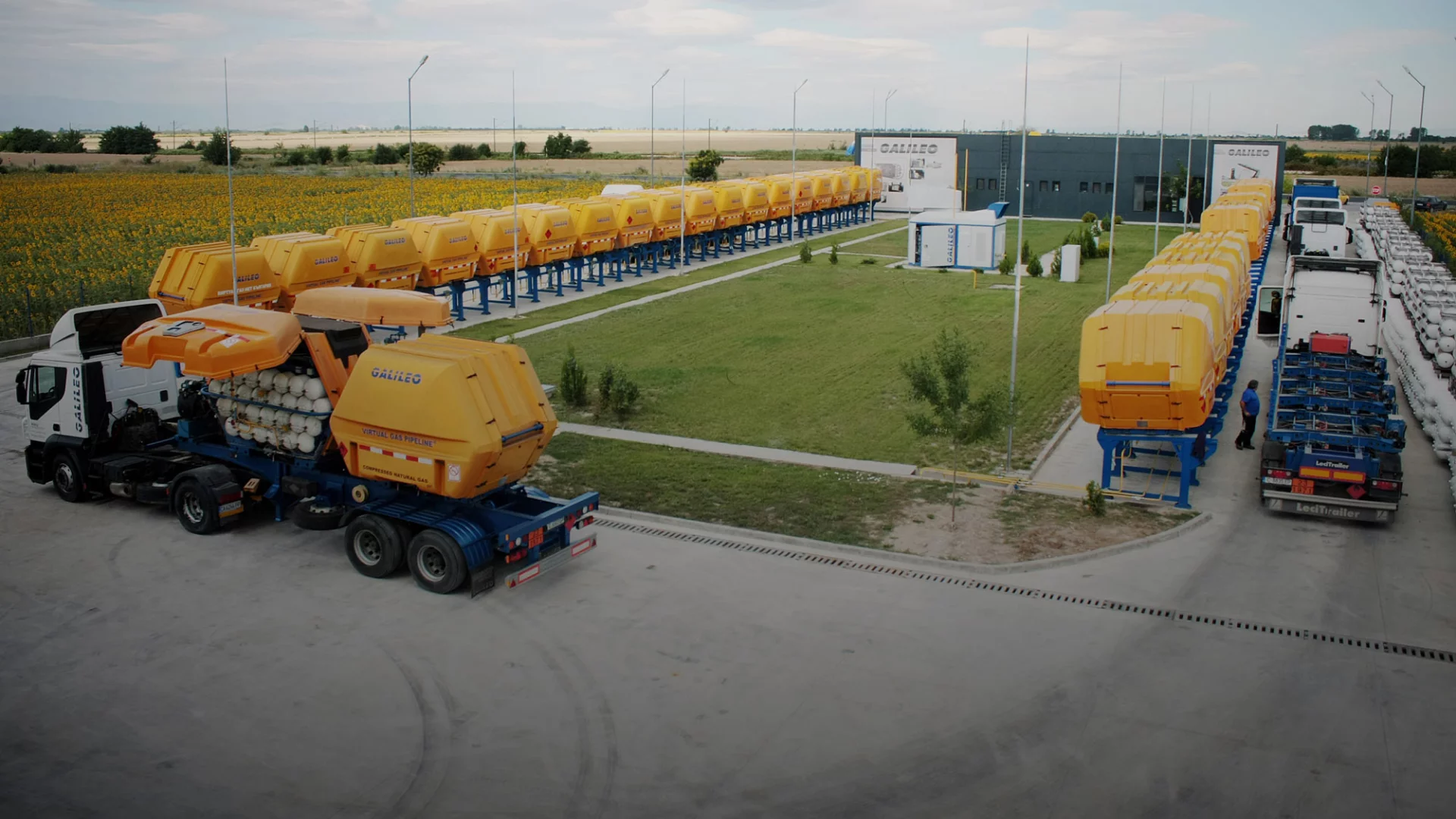
The Industrial Virtual Pipeline Market is expanding as industries seek flexible, efficient, and cost-effective alternatives to traditional gas pipeline networks. A virtual pipeline enables the transportation of natural gas, compressed natural gas (CNG), liquefied natural gas (LNG), or renewable gases without requiring permanent infrastructure. Instead, the gas is transported through trucks, ISO containers, rail, or ships to remote industrial facilities, power plants, and commercial users. This solution is essential in regions where pipeline construction is economically or geographically challenging. As industrial energy demand rises and companies strive to reduce dependence on oil-based fuels, virtual pipelines are emerging as a practical solution for delivering cleaner, more reliable gas energy. Rapid growth in small-scale LNG, decentralized energy systems, and industrial expansion in remote locations further supports market growth worldwide.
Market Drivers
A key driver of this market is the increasing industrial shift toward cleaner fuels. Many industries—including manufacturing, mining, oil and gas services, ceramics, textiles, and food processing—are transitioning from diesel or fuel oil to CNG and LNG to reduce emissions and operational costs. Virtual pipelines help address infrastructure gaps by enabling gas supply without major pipeline investments. Growth in small-scale LNG production and peak-shaving storage facilities enhances the availability of gas for remote industries. Rising energy demand in emerging economies also drives adoption of flexible gas transportation methods. Government policies promoting natural gas usage and emissions reduction provide significant support. Additionally, virtual pipelines offer rapid deployment, scalability, and minimal environmental disruption, making them attractive for industrial users seeking reliable energy solutions.
Market Challenges
Despite strong potential, the market faces challenges such as high initial investment in LNG regasification units, compression stations, specialized transport vehicles, and cryogenic containers. Logistic complexities—including gas loading, scheduling, and long-distance transport—can increase operational costs. Safety concerns related to handling cryogenic liquids and high-pressure gases require strict regulatory compliance and trained personnel. Variability in road infrastructure, especially in developing countries, may hinder transport efficiency. Fluctuating natural gas prices and supply chain disruptions can affect affordability and stability. Seasonal demand variations may impact utilization rates, especially in industries with fluctuating fuel requirements. Additionally, competition from expanding fixed pipeline networks in some regions may slow virtual pipeline adoption in the long term.
Market Opportunities
There are substantial opportunities in developing virtual pipeline solutions for off-grid industrial clusters, mining sites, remote power plants, and island economies. Growing demand for small-scale LNG supply chains creates opportunities for specialized cryogenic tank manufacturers, logistics operators, and LNG satellite storage developers. The rise of renewable natural gas (RNG) and hydrogen blends presents emerging opportunities for virtual pipeline operators seeking to deliver low-carbon fuels. Integration of digital fleet management systems—using GPS tracking, IoT sensors, and predictive analytics—can enhance safety and optimize logistics. Expansion of virtual pipelines for emergency gas supply during pipeline maintenance or disruptions also presents strong potential. Markets in Asia-Pacific, Latin America, and Africa offer immense opportunities as industrial sectors rapidly expand and pipeline networks remain underdeveloped. Additionally, virtual pipelines can support microgrids and hybrid energy systems requiring dependable gas supply.
Regional Insights
North America leads the Industrial Virtual Pipeline Market due to strong natural gas production, growing small-scale LNG infrastructure, and increasing industrial adoption across the United States and Canada. Europe follows with rising interest in LNG-based virtual pipelines for industrial clusters and remote facilities across Italy, Spain, the UK, and Scandinavia. Asia-Pacific is the fastest-growing market driven by industrial growth, limited pipeline availability, and expanding LNG import capacities in China, India, Indonesia, Vietnam, and the Philippines. Latin America shows strong adoption in Brazil, Argentina, and Chile due to industrial expansion and geographic challenges. The Middle East is emerging with LNG-based virtual pipeline applications supporting oilfield services and remote industrial sites. Africa presents long-term potential, especially in mining regions and developing industrial corridors lacking pipeline access.
Future Outlook
The future of the Industrial Virtual Pipeline Market will be shaped by increasing adoption of LNG and CNG as cleaner industrial fuels, advancements in cryogenic storage, and digitalization of gas logistics. Virtual pipelines will play a crucial role in extending gas access to remote industrial zones and supporting off-grid facilities. Adoption of renewable natural gas (RNG), bio-LNG, and hydrogen-enriched fuels will enhance sustainability. Fleet automation, AI-driven logistics optimization, and real-time monitoring will improve safety and efficiency. Modular LNG production units and micro-liquefaction plants will expand decentralized gas supply networks. As industries move toward lower emissions and greater energy flexibility, virtual pipelines will become a vital component of global gas distribution strategies.
Conclusion
The Industrial Virtual Pipeline Market continues to grow as industries seek flexible, scalable, and cleaner alternatives to fixed pipeline infrastructure. Despite challenges involving cost, safety regulations, and logistics complexity, strong demand for natural gas, LNG, and alternative fuels drives widespread adoption. Technological advances in cryogenic storage, transport optimization, and digital monitoring will shape the industry's evolution. As industrial energy demand increases—especially in remote and underserved regions—virtual pipelines will play an essential role in ensuring reliable and efficient gas delivery worldwide.

 English
 Arabic
 French
 Spanish
 Portuguese
 Deutsch
 Turkish
 Dutch
Dutch
 Italiano
 Romaian
 Portuguese (Brazil)
 Greek
Greek