


Major Opportunities in Global Residential Solar Adoption
Introduction
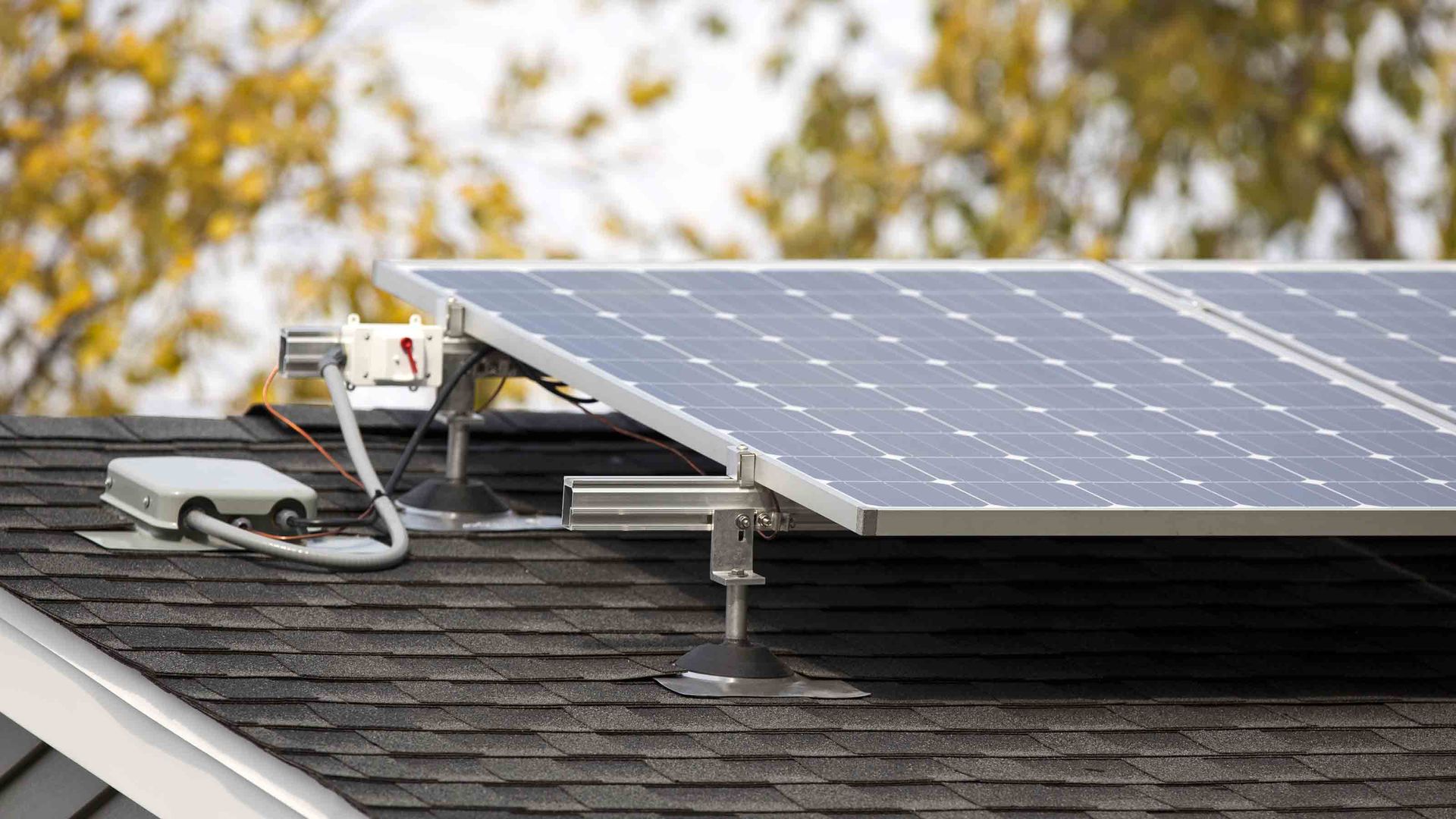
The Residential Solar PV Market is experiencing strong global expansion as homeowners increasingly adopt rooftop solar systems to reduce electricity bills, improve energy independence, and support clean energy transitions. Residential PV systems convert sunlight into electricity using solar modules, inverters, and optional battery storage. Falling equipment costs, supportive government incentives, rising electricity tariffs, and growing environmental awareness have significantly boosted adoption across both developed and developing regions. As smart homes, electric vehicles, and distributed energy resources gain momentum, residential solar PV plays an essential role in shaping modern household energy infrastructure.
Market Drivers
A major driver of this market is the continual decline in solar module prices due to technological advancements and large-scale manufacturing. Net metering policies, feed-in tariffs, and tax incentives encourage homeowners to install rooftop solar and sell surplus power back to the grid. Increased power outages caused by extreme weather events and grid strain push consumers toward solar-plus-storage systems for reliable backup power. Electric vehicle (EV) adoption further drives demand, as homeowners seek cost-efficient ways to charge their vehicles using clean energy. Rising environmental consciousness and long-term savings on energy bills also motivate households to transition to solar PV systems. Improvements in inverter technology, monitoring platforms, and installation techniques simplify adoption.
Market Challenges
Despite rapid growth, the Residential Solar PV Market faces challenges such as high upfront installation costs for households without access to financing or subsidies. Roof limitations—including shading, structural strength, and orientation—can restrict system efficiency. Policy uncertainty in certain regions, including sudden changes in incentives or tariff structures, may reduce consumer confidence. In some developing regions, lack of trained installers and inconsistent product quality hinder market expansion. Grid integration challenges arise as rooftop penetration increases, requiring utilities to manage voltage fluctuations and bidirectional power flows. Maintenance and panel cleaning may also deter some users, especially in dusty or high-pollution regions.
Market Opportunities
There are major opportunities in solar-plus-storage solutions, enabling homeowners to maximize self-consumption and reduce reliance on the grid. Smart energy management systems integrated with PV installations enable real-time consumption optimization, enhancing value for consumers. Growth in solar-ready housing developments presents significant potential for residential builders and installers. Emerging markets in Asia, Africa, and Latin America offer strong growth opportunities as electrification efforts increase and solar becomes a cost-effective alternative. Bifacial modules, lightweight flexible panels, and building-integrated photovoltaics (BIPV) create opportunities for aesthetic and architectural innovation. Community solar programs and shared rooftop projects further expand access for households without suitable roofs.
Regional Insights
Asia-Pacific leads the Residential Solar PV Market with rapid growth in China, Japan, India, South Korea, and Australia driven by strong policy support and high electricity prices. North America follows with large-scale adoption in the United States supported by federal tax credits, state-level programs, and increasing interest in energy independence. Europe maintains strong momentum with widespread installations across Germany, Italy, the UK, Spain, and the Netherlands due to mature solar markets and sustainability commitments. Latin America shows rising adoption in Brazil, Chile, and Mexico due to favorable solar conditions and expanding clean energy programs. The Middle East demonstrates growing demand driven by government sustainability initiatives, while Africa presents long-term potential through off-grid and hybrid residential solar systems.
Future Outlook
The future of the Residential Solar PV Market will be shaped by continued cost declines, technological improvements, and integration with smart home ecosystems. Advanced PV technologies such as perovskite-silicon tandem modules and high-efficiency heterojunction cells will improve energy yields. Battery storage systems will become more affordable and widely adopted, enhancing system reliability and resilience. AI-powered energy management software will help homeowners optimize solar usage, improve load balancing, and reduce energy costs. Rooftop solar integrated with EV charging infrastructure will become a standard household feature. As more governments pursue net-zero targets, residential solar PV will remain central to sustainable household energy strategies.
Conclusion
The Residential Solar PV Market continues to grow as homeowners embrace clean, efficient, and cost-effective energy solutions. Despite challenges related to policy shifts, grid integration, and installation constraints, strong demand emerges from falling solar costs, rising electricity prices, and the desire for long-term energy savings. Innovations in energy storage, advanced PV technologies, and smart energy management will drive the next phase of residential solar adoption. As sustainability goals intensify, residential solar PV will remain a key component of the global decarbonization pathway.

 English
 Arabic
 French
 Spanish
 Portuguese
 Deutsch
 Dutch
Dutch
 Italiano
 Russian
 Romaian
 Portuguese (Brazil)
 Greek
Greek