


Hair Restoration for Men: Proven Surgical and Non-Surgical Solutions Backed by Science and Expert Clinics
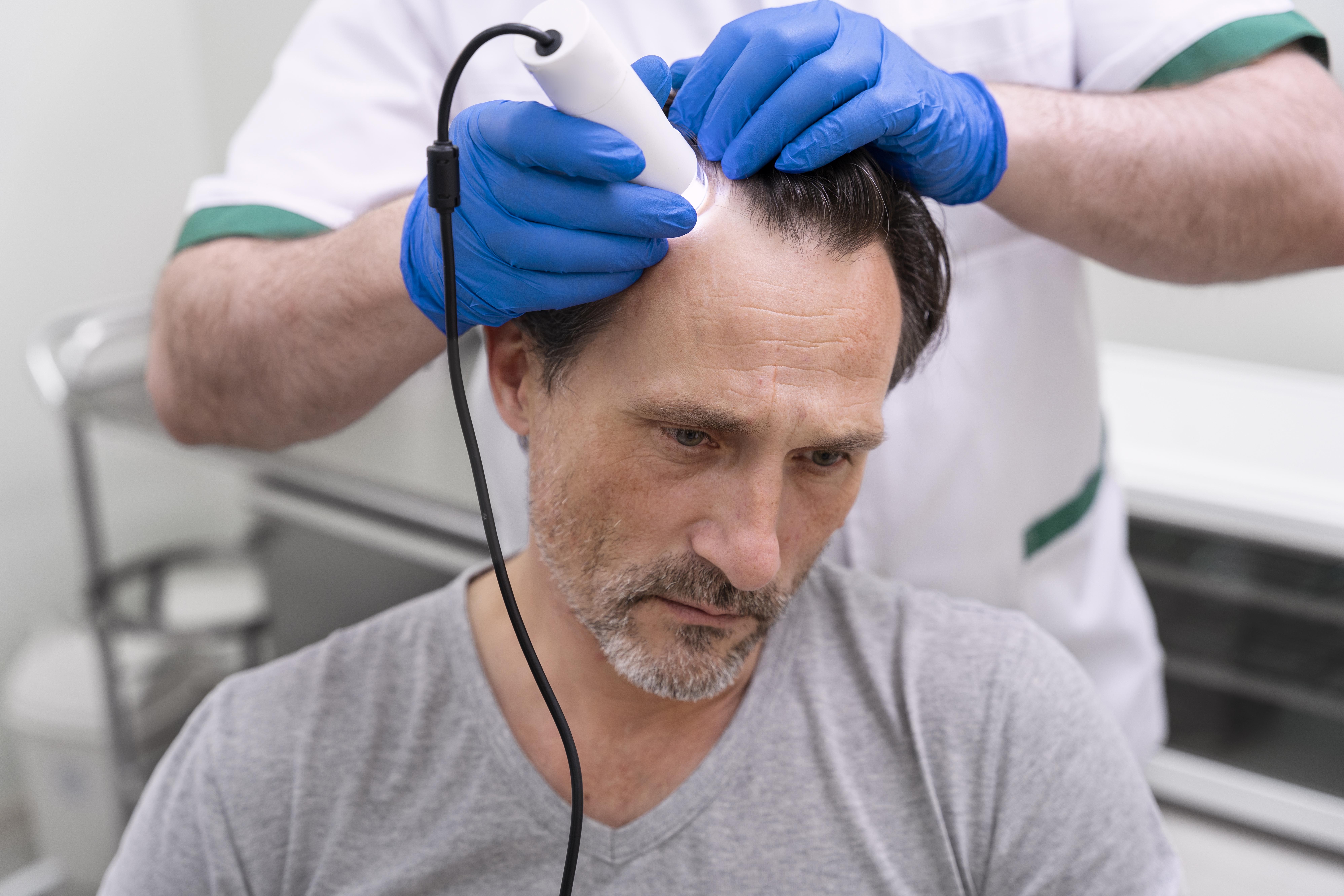
Hair loss is a common concern among men, affecting confidence, appearance, and even emotional well-being. Whether it’s due to genetics, aging, medical conditions, or lifestyle factors, hair thinning and baldness can significantly impact a person’s life. Fortunately, modern advancements in hair restoration for men have opened a wide range of surgical and non-surgical solutions that are both effective and scientifically backed.
We’ll explore the best treatment options, how they work, what to expect, and how expert clinics ensure optimal outcomes. We’ll also touch on eyebrow hair transplant, which has become increasingly popular among men seeking a more youthful, defined facial appearance.
Understanding Male Hair Loss
Before exploring restoration options, it’s crucial to understand why hair loss occurs in men. The most common cause is androgenetic alopecia, also known as male pattern baldness. This hereditary condition results in the progressive thinning of hair on the scalp, typically starting at the temples and crown.
Other contributing factors include:
- Hormonal changes, particularly elevated levels of dihydrotestosterone (DHT)
- Stress and poor lifestyle habits
- Nutritional deficiencies
- Medical conditions like alopecia areata or scalp infections
- Medications that affect hair growth
Understanding the cause is essential because it guides the treatment approach. Hair restoration for men is not a one-size-fits-all solution; a personalized plan developed by an expert clinic ensures the best results.
Surgical Hair Restoration Options
Surgical interventions remain one of the most reliable solutions for men experiencing significant hair loss. These procedures transplant hair follicles from dense areas to thinning or balding regions. The two most widely performed techniques are Follicular Unit Extraction (FUE) and Follicular Unit Transplantation (FUT).
Follicular Unit Extraction (FUE)
FUE is a minimally invasive procedure where individual hair follicles are extracted from the donor area (usually the back or sides of the head) and transplanted to balding areas.
Benefits of FUE include:
- Minimal scarring compared to traditional methods
- Faster recovery time
- Natural-looking results
- Suitable for small and large areas
During the procedure, local anesthesia is used to ensure comfort. Post-procedure, patients may experience minor swelling, redness, and scabbing, which typically resolves within a week.
Follicular Unit Transplantation (FUT)
FUT, also known as the strip method, involves removing a strip of scalp from the donor area, from which individual follicular units are dissected and transplanted.
Advantages of FUT include:
- Ability to harvest a larger number of grafts in a single session
- High success rate for dense coverage
- Cost-effective for extensive hair loss
- FUT leaves a linear scar in the donor area, which is usually hidden under existing hair. Recovery may take slightly longer than FUE but offers excellent long-term results.
Eyebrow Hair Transplant
Hair restoration for men is not limited to the scalp. Eyebrow hair transplant has gained popularity as more men seek fuller, well-defined brows. This procedure is similar to scalp transplants, using FUE techniques to transplant hair follicles to sparse or over-plucked eyebrows.
Eyebrow hair transplant can:
- Correct thin or uneven eyebrows
- Restore lost eyebrows due to trauma or medical conditions
- Enhance facial symmetry and aesthetics
The results are natural, and transplanted hair grows permanently, requiring only regular trimming.
Non-Surgical Hair Restoration Options
For men with mild to moderate hair loss, non-surgical treatments can provide effective results without the downtime associated with surgery.
Medications
-
Minoxidil – A topical solution that stimulates hair follicles and improves hair density. It is available over-the-counter and is most effective when used consistently.
-
Finasteride – An oral medication that blocks DHT, a hormone responsible for male pattern baldness. It can slow hair loss and encourage regrowth, but requires ongoing use.
These treatments are most effective when started early and are often used in combination for maximum results.
Platelet-Rich Plasma (PRP) Therapy
PRP therapy is a cutting-edge, non-surgical solution that uses the patient’s own blood to stimulate hair growth. Platelets, rich in growth factors, are injected into the scalp to promote follicle health and rejuvenation.
Benefits include:
- Minimal downtime
- Natural results
- Can complement surgical procedures
PRP sessions are typically repeated every 4–6 weeks, with visible results appearing after 3–6 months.
Low-Level Laser Therapy (LLLT)
LLLT involves the use of red light lasers to stimulate hair follicles and improve scalp circulation. Devices like laser combs, caps, and helmets offer convenient at-home options.
LLLT is:
- Non-invasive
- Safe for long-term use
- Often used alongside other treatments for enhanced results
Choosing the Right Clinic for Hair Restoration for Men
Selecting a reputable clinic is crucial for achieving the best results. Look for clinics that offer:
- Board-certified hair restoration specialists
- A comprehensive consultation to assess hair loss type and plan treatment
- Proven success rates with before-and-after documentation
- Advanced technology for surgical and non-surgical procedures
Expert clinics also prioritize patient education, ensuring individuals understand post-procedure care, potential risks, and expected outcomes.
Post-Treatment Care and Maintenance
Successful hair restoration doesn’t end with the procedure. Proper care is essential to maintain results:
- Avoid touching or scratching the treated area for the first week
- Follow specific shampooing and washing instructions
- Attend follow-up sessions with your doctor
- Maintain a healthy lifestyle to support hair growth
For surgical procedures, transplanted hair may initially shed before regrowth occurs. This is normal and part of the hair restoration cycle. Full results are typically visible within 6–12 months.
Lifestyle and Hair Health
Supporting hair restoration with healthy habits can improve outcomes:
- Nutrition: Include proteins, vitamins (especially biotin, vitamin D), and minerals like zinc and iron
- Exercise: Regular physical activity improves blood circulation, promoting hair health
- Stress management: Yoga, meditation, and sufficient sleep can reduce hair loss triggers
- Avoiding harmful habits: Limit excessive heat styling, harsh chemicals, and smoking
The Future of Hair Restoration
Advancements in regenerative medicine are shaping the future of hair restoration for men. Stem cell therapy, hair cloning, and genetically targeted treatments are emerging as potential breakthroughs. These innovations aim to provide more natural, permanent, and minimally invasive solutions in the coming years.
Frequently Asked Questions:
Who is a good candidate for hair restoration for men?
Men experiencing noticeable thinning, receding hairlines, or bald spots may benefit. Early intervention typically yields the best results.
Can eyebrow hair transplant be done on men?
Yes, men with sparse or uneven eyebrows due to genetics, trauma, or over-plucking can benefit from eyebrow hair transplant, achieving natural, permanent results.
How long does it take to see results from hair restoration?
Surgical results typically appear within 6–12 months, while non-surgical treatments like PRP and medications may show improvements in 3–6 months with consistent use.
Are hair restoration procedures painful?
Most procedures use local anesthesia, making the process relatively painless. Some discomfort or swelling may occur post-procedure but is temporary.
Do hair restoration results last forever?
Transplanted hair is generally permanent. Non-surgical treatments require ongoing maintenance to sustain results.
Conclusion
Hair restoration for men has come a long way, offering both surgical and non-surgical solutions backed by scientific research and expert clinical practice. Whether seeking to restore a full head of hair, improve density, or enhance facial features with an eyebrow hair transplant, men today have access to safe, effective, and natural-looking treatments.
Choosing the right clinic, following post-treatment care, and integrating healthy lifestyle habits are key to achieving lasting results. With the right approach, hair loss no longer has to define your appearance or confidence.

 English
 Arabic
 French
 Spanish
 Portuguese
 Deutsch
 Dutch
Dutch
 Italiano
 Russian
 Romaian
 Portuguese (Brazil)
 Greek
Greek