


How Should Shops Stabilise Shielding Gas To Cut Oxide Formation?
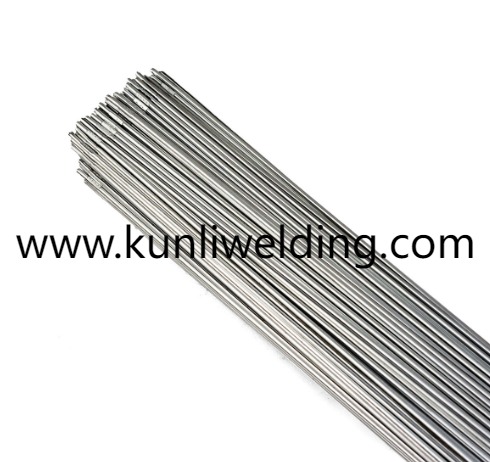
When weld shops aim to keep surface quality high and rework low, attention to joint preparation and process control matters, and Aluminum Welding Wire ER5356 often appears on material lists for structural and repair work. Minimising oxide formation with this filler requires a system view that starts before the first arc: surface cleaning, shielding discipline, spool handling and operator technique all affect how readily oxides form and whether they become entrapped in the weld.
Begin with surface condition. Remove oils, greases and loose oxides from the weld area and from adjacent surfaces. Clean fit up reduces the chance that contaminants will be drawn into the pool as the metal melts. Where parts have been stored outdoors or handled frequently, include a brief wipe step and inspect tack welds for trapped residue before making the final passes. Cleanliness alone cuts a large share of oxide related variation in one routine action.
Shielding gas control is the next practical lever. Maintain steady gas coverage at the arc and avoid drafts that disturb the envelope. Choose nozzle and gas delivery arrangements that create a stable flow and test them in the actual cell layout because adjacent operations and ventilation can produce unexpected turbulence. For field repairs, consider simple wind breaks that protect the arc zone on exposed sites and preserve the gas envelope through the welding sequence.
Consumable handling matters every time. Store spools in sealed cabinets near the cell and stage only the quantity needed for immediate work. Inspect the leader for signs of discoloration or damage before threading the liner and follow supplier handling notes for mounting and brake settings. A contaminated or dented leader increases the chance that surface films will be introduced at the torch rather than being dealt with in preparation.
Arc control and travel technique influence oxide exposure. Keep a compact arc and consistent travel speed so the puddle wets the parent metal uniformly and presents minimal molten surface time. Overlong arcs and erratic travel expose more surface area to oxidation. Encourage visual acceptance cues for operators so they can quickly recognise a stable puddle and maintain the rhythm that proved acceptable during qualification trials.
Nozzle and contact part maintenance are small tasks that have visible returns. Replace nozzles that show spatter buildup and inspect gas lenses for erosion. Clean contact tips to prevent arc wandering that breaks the shielding envelope. These routine checks preserve laminar flow and avoid micro interruptions that allow oxygen to reach the molten pool.
Joint design and fit up reduce crevices where oxides and salts can concentrate. When possible specify geometry that gives direct arc access to the fusion line and avoid trapped gaps at the toes. Tack placement and sequence should prevent entrapment of foreign material and help the inspector see that the finished weld will take finishing treatment uniformly.
Use purge or back purge when internal cavities are involved. For through thickness repairs or assemblies with confined internal spaces, an inert purge excludes oxygen from inside cavities and prevents internal oxide formation that cannot be removed after welding. Plan purging logistics in the job sequence so the activity does not delay production.
Record keeping and traceability shorten responses to any issues that appear. Note spool lot numbers and the conditions of incoming spools as part of the job ticket. When inspectors can see the welding record alongside handling notes it is easier to determine whether a surface or consumable issue contributed to a defect and to apply targeted corrective actions.
Finally invest in short operator refresh sessions and a small incoming checklist. Teach visual cues for acceptable puddle behavior, confirm nozzle and leader condition at spool change, and use a brief log to track any deviations from qualified parameter windows. These modest practices reduce oxide inclusion, improve finish quality and keep projects on schedule in settings where supply chain pressures and sustainability demands increase attention to first pass yield. For product details and handling guidance consult the manufacturer technical materials at www.kunliwelding.com .

 English
 Arabic
 French
 Spanish
 Portuguese
 Turkish
 Dutch
Dutch
 Italiano
 Russian
 Romaian
 Portuguese (Brazil)
 Greek
Greek