


The Core Principles and Benefits of Modern Server Virtualization
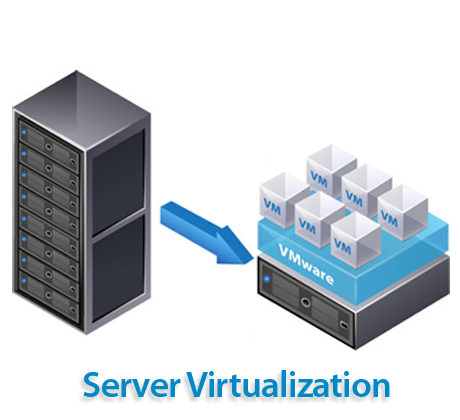
The foundation of the modern, efficient data center is built upon the transformative technology of Server Virtualization. At its core, this process involves using software to create an abstraction layer over physical server hardware, allowing a single physical server to host multiple independent and isolated virtual machines (VMs). Each VM can run its own operating system and applications, completely unaware that it is sharing resources with others. This powerful capability breaks the traditional one-to-one link between a server's hardware and its software, enabling organizations to dramatically improve the utilization of their hardware assets. Instead of having numerous physical servers sitting idle for most of the time, companies can consolidate many workloads onto fewer machines, which is the primary catalyst for the technology's widespread adoption across industries and a key driver of the digital transformation initiatives seen globally today.
The magic behind server virtualization is a specialized software component known as a hypervisor, or virtual machine monitor (VMM). There are two main types: Type 1 (bare-metal) hypervisors run directly on the host's hardware, offering superior performance and security, making them the standard for enterprise data centers. Examples include VMware ESXi and Microsoft Hyper-V. Type 2 (hosted) hypervisors run as an application on top of a conventional operating system, which is more common for desktop and development use. The hypervisor is responsible for creating, managing, and allocating physical resources like CPU, memory, and storage to each VM. This abstraction delivers profound benefits, including significant cost savings from reduced hardware procurement, lower energy consumption and cooling needs, and a smaller physical data center footprint, leading to both economic and environmental advantages.
Beyond resource consolidation, the impact of virtualization on IT operations is immense, fostering unprecedented levels of agility and resilience. Server provisioning, which once took days or weeks, can now be accomplished in minutes by simply deploying a pre-configured VM template. This agility is crucial for modern DevOps practices and for businesses needing to respond quickly to changing market demands. Furthermore, virtualization fundamentally enhances disaster recovery and business continuity. Entire virtual machines can be encapsulated into a few files, which can be easily backed up, migrated, and restored to different physical hardware with minimal downtime. This capability, combined with features like live migration and automated failover, has made virtualization an indispensable technology and the foundational building block for virtually all private and public cloud computing environments.

 English
 Arabic
 French
 Spanish
 Portuguese
 Deutsch
 Turkish
 Italiano
 Russian
 Romaian
 Portuguese (Brazil)
 Greek
Greek