


What Is Involved in a New Home Electrical Installation?
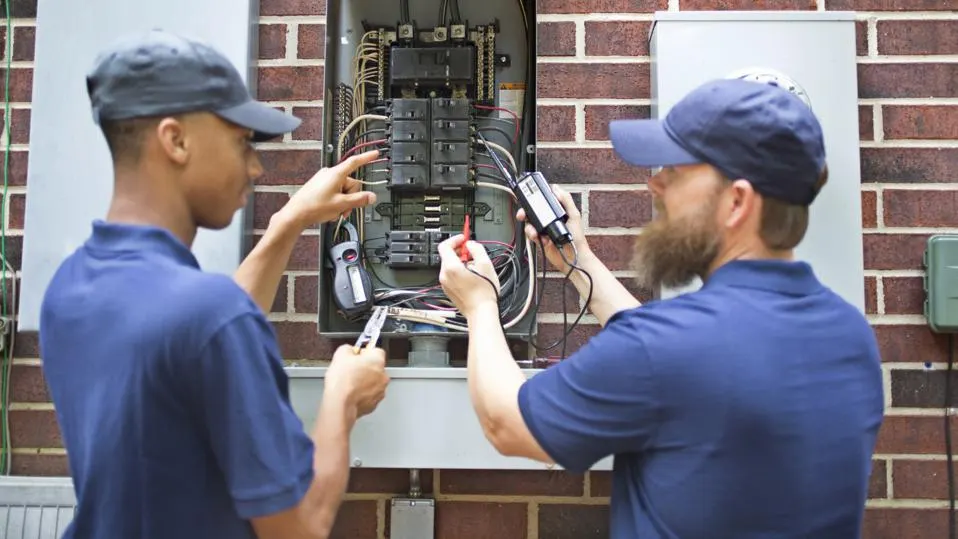
New home construction is thrilling, but perhaps one of the most important parts of the experience is making sure your electrical installation is safe, efficient, and up to code. An appropriate electrical installation brings power to everything—from your lights and appliances to HVAC equipment and smart devices. Many homeowners rely on professional electrician services during this stage to ensure everything is done correctly and safely. Let's explore a new home electrical installation process step by step.
1. Planning and Design Phase
All electric installations begin with meticulous planning. Homeowners and electricians (sometimes with the involvement of architects or builders) work together to create a layout both safe and tailored to individual needs.
In this phase, electricians:
- Establish the type and placement of outlets, switches, and fixtures.
- Lay out circuits to support particular loads (such as kitchen appliances, HVAC, or lighting).
- Plan for energy efficiency and future uses (such as solar panels or EV charging stations).
- Adhere to National Electrical Code (NEC) and local building codes.
- Good planning avoids expensive changes down the line and ensures a more efficient, safer house.
2. The Installation of the Electrical Service Panel
The electrical service panel, also known as the breaker box, is the central hub of your home's electrical system. It ties your home to the main power source and delivers electricity to various circuits.
Primary responsibilities include:
- Mounting the main service line from the utility provider.
- Mounting and wiring the main panel with circuit breakers.
- Installing grounding systems for safety.
An adequately sized service panel guarantees your home will be able to meet all electrical requirements safely without tripping breakers or overloading circuits.
3. Rough-In Wiring
Electricians carry out the rough-in wiring before installing drywall or insulation. This is the time when all wires, boxes, and conduits are being run around the house.
The rough-in process involves:
- Electrical cables running through walls, ceilings, and floors.
- Mounting outlet boxes, switch boxes, and light fixture boxes.
- Running data, phone, or security system wiring if necessary.
Labeling and organizing properly to ensure easy troubleshooting in the future.
This phase is inspected by local building officials to ensure all work complies with electrical codes before closing the walls.
4. Outlet, Switch, and Fixture Installation
Once walls are complete, electricians come back for the finish stage, during which they:
- Install outlets, switches, and light fixtures.
- Install smoke detectors, ceiling fans, and other appliances.
- Connect appliances and test the circuits for efficiency.
Now, everything is functional and ready for use.
5. Final Inspection and Testing
A final inspection, before your electrical system is certified for use, checks if everything is safe and up to code. Inspectors verify:
- Proper bonding and grounding.
- Accurate wire connections and breaker sizes.
- Working GFCI and AFCI outlets at the right places.
Operating switches, outlets, and fixtures safely. - Only after passing inspection is your electrical installation considered complete.
6. Optional Upgrades and Smart Home Features
Modern homes often include advanced features that go beyond basic wiring, such as:
- Smart lighting and home automation systems
- EV (electric vehicle) charging stations
- Energy-efficient LED and solar-ready setups
- Surge protection and whole-house generators
Planning for these upgrades during installation saves time and money later.
7. Importance of Hiring a Licensed Electrician
Although DIY jobs might be appealing, electrical installation involves professional experience. Professional electricians guarantee:
- Conformity with safety codes and ordinances.
- Quality installation that reduces fire hazards.
- Stable power distribution for the future.
Use of a skilled electrician safeguards your investment and your loved ones' lives.
Final Thoughts
Installing electricity in a new home is not about stringing up wires—it's an intricate process of design, safety, and care at every turn. From planning and wiring to inspection and upgrades, every step is important in building a safe, efficient, and comfortable home.
By hiring professionals and learning what's involved, you can have your new home's electrical system constructed to last for decades.

 English
 Arabic
 French
 Spanish
 Portuguese
 Deutsch
 Turkish
 Dutch
Dutch
 Italiano
 Russian
 Portuguese (Brazil)
 Greek
Greek