



-
11 Beiträge
-
1 Fotos
-
0 Videos
-
Female
-
anschliessend 0 people
Search

 English
 Arabic
 French
 Spanish
 Portuguese
 Turkish
 Dutch
Dutch
 Italiano
 Russian
 Romaian
 Portuguese (Brazil)
 Greek
Greek
Jüngste Beiträge
-
Construction projects operate in high-risk, high-stakes environments where delays, cost overruns, regulatory challenges, and on-site uncertainties are common. In such conditions, project resilience—the ability to anticipate, adapt, and recover from disruptions—is not optional; it is essential. Two critical pillars that strengthen resilience in construction project management are structured record-keeping and effective communication.
1. Records as the Backbone of Construction Projects
In construction, records serve as the project’s single source of truth. These include contracts, drawings, site instructions, permits, daily logs, safety reports, and change orders.
Ensuring Continuity: With multiple contractors, consultants, and workers involved, well-maintained records ensure smooth transitions even when teams change.
Tracking Changes: Construction projects frequently undergo design and scope changes. Proper documentation helps track revisions and avoid disputes.
Legal Protection: Accurate records are crucial in claims, audits, and compliance with regulatory authorities.
Performance Monitoring: Progress reports and site logs help identify delays early and take corrective action.
Without structured records, construction projects risk misalignment, rework, and costly delays.
2. Communication: The Engine of On-Site Coordination
While records capture information, communication ensures it is understood and acted upon across teams.
Real-Time Coordination: Daily briefings, toolbox talks, and site meetings ensure everyone is aligned on tasks and safety protocols.
Clarity Across Stakeholders: Architects, engineers, contractors, and clients require clear and tailored communication to avoid misunderstandings.
Risk Mitigation: Early communication of risks—such as material shortages or weather disruptions—helps teams respond proactively.
Reducing Errors: Clear instructions minimize rework, saving both time and cost.
In construction, poor communication often leads to delays, safety issues, and budget overruns.
3. Integration of Records and Communication
True resilience emerges when records and communication work together seamlessly.
Informed Decision-Making: Site data, reports, and documentation provide the foundation for meaningful discussions and decisions.
Efficient Issue Resolution: Documented issues combined with quick communication enable faster problem-solving.
Accountability: Recorded decisions and communicated responsibilities ensure clarity and ownership across teams.
For example, a documented site issue becomes actionable only when communicated promptly to the relevant team for resolution.
4. Role of Technology in Modern Construction Projects
Digital tools have transformed how construction teams manage records and communication.
Centralized Platforms: Cloud-based systems store drawings, reports, and updates in one accessible location.
Real-Time Updates: Mobile apps allow site teams to upload progress, photos, and issues instantly.
Collaboration Tools: Integrated communication platforms bridge gaps between on-site and off-site teams.
However, technology is only effective when supported by clear processes and disciplined usage.
5. Leadership and Culture
Resilience in construction projects is also driven by leadership and organizational culture.
Standardized Processes: Leaders must establish clear protocols for documentation and reporting.
Encouraging Transparency: Open communication ensures issues are reported early rather than hidden.
Training and Accountability: Teams must be trained to maintain records accurately and communicate effectively.
A culture that values documentation and open dialogue significantly reduces project risks.
Conclusion
Organizations aiming to strengthen construction project resilience can benefit from structured systems and expert guidance. Firms like Al Qarar Group specialize in implementing robust record-keeping frameworks and streamlined communication strategies, enabling construction projects to navigate complexity, minimize risk, and achieve long-term success.
https://alqarargroup.com/service/project-managementConstruction projects operate in high-risk, high-stakes environments where delays, cost overruns, regulatory challenges, and on-site uncertainties are common. In such conditions, project resilience—the ability to anticipate, adapt, and recover from disruptions—is not optional; it is essential. Two critical pillars that strengthen resilience in construction project management are structured record-keeping and effective communication. 1. Records as the Backbone of Construction Projects In construction, records serve as the project’s single source of truth. These include contracts, drawings, site instructions, permits, daily logs, safety reports, and change orders. Ensuring Continuity: With multiple contractors, consultants, and workers involved, well-maintained records ensure smooth transitions even when teams change. Tracking Changes: Construction projects frequently undergo design and scope changes. Proper documentation helps track revisions and avoid disputes. Legal Protection: Accurate records are crucial in claims, audits, and compliance with regulatory authorities. Performance Monitoring: Progress reports and site logs help identify delays early and take corrective action. Without structured records, construction projects risk misalignment, rework, and costly delays. 2. Communication: The Engine of On-Site Coordination While records capture information, communication ensures it is understood and acted upon across teams. Real-Time Coordination: Daily briefings, toolbox talks, and site meetings ensure everyone is aligned on tasks and safety protocols. Clarity Across Stakeholders: Architects, engineers, contractors, and clients require clear and tailored communication to avoid misunderstandings. Risk Mitigation: Early communication of risks—such as material shortages or weather disruptions—helps teams respond proactively. Reducing Errors: Clear instructions minimize rework, saving both time and cost. In construction, poor communication often leads to delays, safety issues, and budget overruns. 3. Integration of Records and Communication True resilience emerges when records and communication work together seamlessly. Informed Decision-Making: Site data, reports, and documentation provide the foundation for meaningful discussions and decisions. Efficient Issue Resolution: Documented issues combined with quick communication enable faster problem-solving. Accountability: Recorded decisions and communicated responsibilities ensure clarity and ownership across teams. For example, a documented site issue becomes actionable only when communicated promptly to the relevant team for resolution. 4. Role of Technology in Modern Construction Projects Digital tools have transformed how construction teams manage records and communication. Centralized Platforms: Cloud-based systems store drawings, reports, and updates in one accessible location. Real-Time Updates: Mobile apps allow site teams to upload progress, photos, and issues instantly. Collaboration Tools: Integrated communication platforms bridge gaps between on-site and off-site teams. However, technology is only effective when supported by clear processes and disciplined usage. 5. Leadership and Culture Resilience in construction projects is also driven by leadership and organizational culture. Standardized Processes: Leaders must establish clear protocols for documentation and reporting. Encouraging Transparency: Open communication ensures issues are reported early rather than hidden. Training and Accountability: Teams must be trained to maintain records accurately and communicate effectively. A culture that values documentation and open dialogue significantly reduces project risks. Conclusion Organizations aiming to strengthen construction project resilience can benefit from structured systems and expert guidance. Firms like Al Qarar Group specialize in implementing robust record-keeping frameworks and streamlined communication strategies, enabling construction projects to navigate complexity, minimize risk, and achieve long-term success. https://alqarargroup.com/service/project-management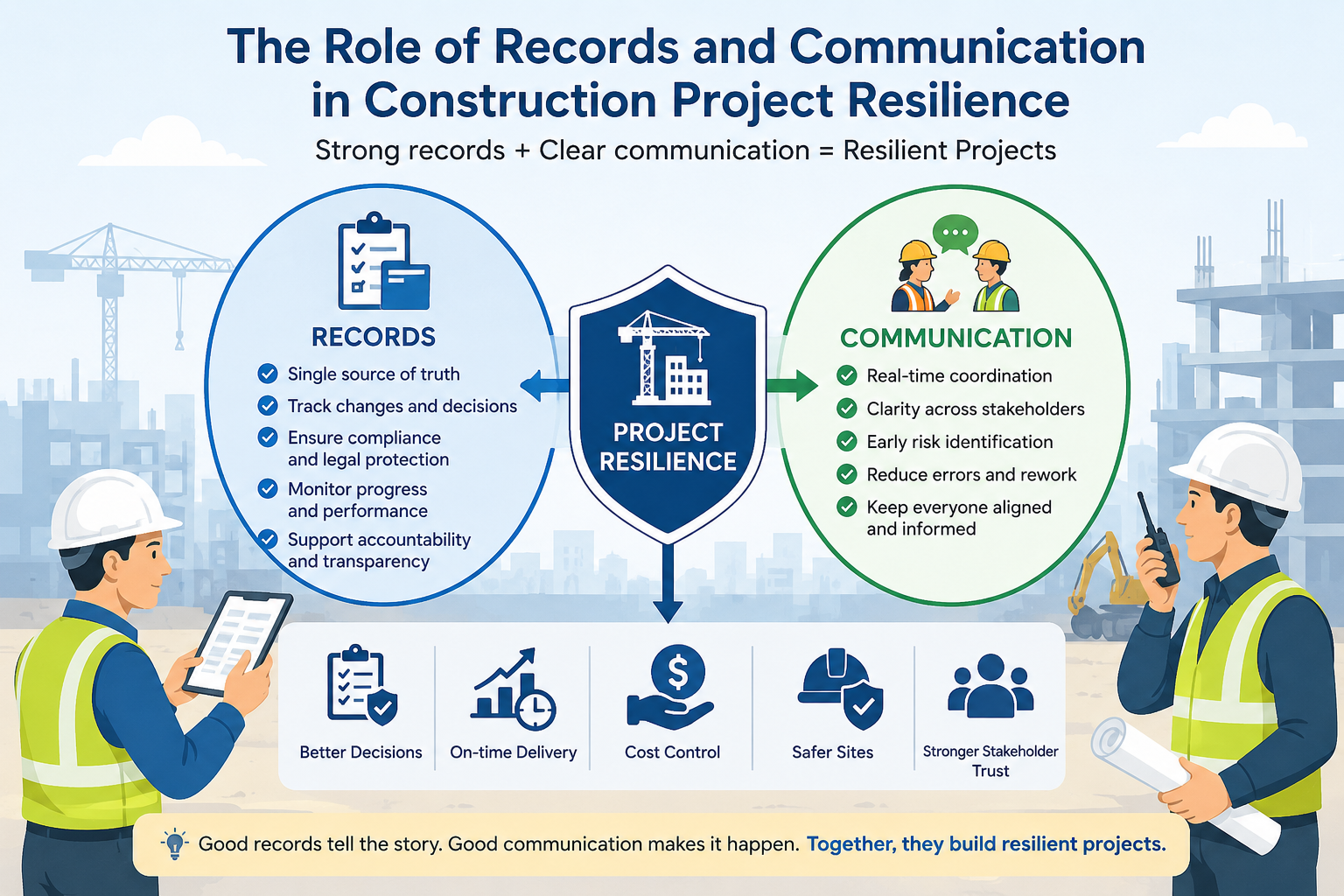 0 Kommentare 0 Anteile 924 Ansichten 0 Vorschau
 -
Mild dehydration is often overlooked, yet it can significantly impact how we feel and function throughout the day. Many people attribute their low energy levels, headaches, or lack of focus to stress, poor sleep, or a demanding schedule. However, the root cause can sometimes be much simpler: the body isn’t getting the hydration it truly needs. What makes this even more misleading is that mild dehydration often mimics fatigue, making it difficult to identify the real issue.
Our bodies are composed of nearly 60% water, and every system depends on it to operate efficiently. From regulating temperature to supporting digestion and nutrient transport, water plays a crucial role in maintaining overall health. When the body lacks sufficient hydration, even at a mild level, it can lead to symptoms such as tiredness, dizziness, dry skin, and reduced cognitive performance. These symptoms can creep in gradually, making them easy to ignore or misinterpret.
Many people try to solve this problem simply by drinking more regular water. While increasing water intake is certainly beneficial, it may not always be enough — especially when the body’s internal balance, particularly its pH level, is off. The human body functions best within a slightly alkaline pH range. However, modern lifestyles — characterized by processed foods, high sugar intake, stress, and environmental factors — can push the body toward a more acidic state.
When the body becomes too acidic, it may struggle to absorb and utilize water effectively. This means that even if you are drinking an adequate amount of regular water, your body might not be fully benefiting from it. As a result, you may continue to feel sluggish, dehydrated, and low on energy despite your efforts to stay hydrated.
This is where alkaline water comes into the picture. Alkaline water has a higher pH level compared to regular drinking water, which can help neutralize excess acidity in the body. By supporting a more balanced internal environment, alkaline water may enhance hydration at a cellular level. This improved hydration can lead to noticeable changes in how you feel — more energy, better focus, and an overall sense of well-being.
One of the key advantages of alkaline water is its potential to be absorbed more efficiently by the body. Some proponents suggest that its smaller molecular clusters allow it to penetrate cells more easily, thereby delivering hydration more effectively. While scientific opinions on this aspect may vary, many individuals report feeling more refreshed and energized after making the switch.
Another important factor is the presence of essential minerals in alkaline water, such as calcium, magnesium, and potassium. These minerals not only contribute to the water’s alkalinity but also support vital bodily functions, including muscle performance, nerve signaling, and bone health. This added nutritional value can further enhance the benefits of staying properly hydrated.
It’s also worth noting that hydration is not just about quenching thirst — it’s about maintaining balance. Proper hydration supports detoxification, helps regulate appetite, and improves skin health. When your body is well-hydrated and balanced, it functions more efficiently, allowing you to perform better physically and mentally.
For those who frequently experience fatigue, brain fog, or low stamina, evaluating hydration habits can be a simple yet powerful step toward improvement. Instead of relying solely on regular water, incorporating alkaline water into your routine may provide an added edge. It’s not about replacing water altogether, but about optimizing how your body uses it.
Switching to alkaline water doesn’t require a drastic lifestyle change. It can be as simple as choosing a different type of bottled water or using a home filtration system designed to increase water pH. Over time, this small adjustment may lead to noticeable improvements in energy levels and overall vitality.
In conclusion, mild dehydration is more common than many realize, and its effects can easily be mistaken for everyday fatigue. While drinking more water is important, it may not always address the underlying issue if the body’s pH balance is compromised. Alkaline water offers a potential solution by supporting better hydration and helping restore internal balance. By making a mindful switch, you may begin to feel more energized, focused, and refreshed — proving that sometimes, the simplest changes can make the biggest difference.
https://bronwaterglobal.com/products/Mild dehydration is often overlooked, yet it can significantly impact how we feel and function throughout the day. Many people attribute their low energy levels, headaches, or lack of focus to stress, poor sleep, or a demanding schedule. However, the root cause can sometimes be much simpler: the body isn’t getting the hydration it truly needs. What makes this even more misleading is that mild dehydration often mimics fatigue, making it difficult to identify the real issue. Our bodies are composed of nearly 60% water, and every system depends on it to operate efficiently. From regulating temperature to supporting digestion and nutrient transport, water plays a crucial role in maintaining overall health. When the body lacks sufficient hydration, even at a mild level, it can lead to symptoms such as tiredness, dizziness, dry skin, and reduced cognitive performance. These symptoms can creep in gradually, making them easy to ignore or misinterpret. Many people try to solve this problem simply by drinking more regular water. While increasing water intake is certainly beneficial, it may not always be enough — especially when the body’s internal balance, particularly its pH level, is off. The human body functions best within a slightly alkaline pH range. However, modern lifestyles — characterized by processed foods, high sugar intake, stress, and environmental factors — can push the body toward a more acidic state. When the body becomes too acidic, it may struggle to absorb and utilize water effectively. This means that even if you are drinking an adequate amount of regular water, your body might not be fully benefiting from it. As a result, you may continue to feel sluggish, dehydrated, and low on energy despite your efforts to stay hydrated. This is where alkaline water comes into the picture. Alkaline water has a higher pH level compared to regular drinking water, which can help neutralize excess acidity in the body. By supporting a more balanced internal environment, alkaline water may enhance hydration at a cellular level. This improved hydration can lead to noticeable changes in how you feel — more energy, better focus, and an overall sense of well-being. One of the key advantages of alkaline water is its potential to be absorbed more efficiently by the body. Some proponents suggest that its smaller molecular clusters allow it to penetrate cells more easily, thereby delivering hydration more effectively. While scientific opinions on this aspect may vary, many individuals report feeling more refreshed and energized after making the switch. Another important factor is the presence of essential minerals in alkaline water, such as calcium, magnesium, and potassium. These minerals not only contribute to the water’s alkalinity but also support vital bodily functions, including muscle performance, nerve signaling, and bone health. This added nutritional value can further enhance the benefits of staying properly hydrated. It’s also worth noting that hydration is not just about quenching thirst — it’s about maintaining balance. Proper hydration supports detoxification, helps regulate appetite, and improves skin health. When your body is well-hydrated and balanced, it functions more efficiently, allowing you to perform better physically and mentally. For those who frequently experience fatigue, brain fog, or low stamina, evaluating hydration habits can be a simple yet powerful step toward improvement. Instead of relying solely on regular water, incorporating alkaline water into your routine may provide an added edge. It’s not about replacing water altogether, but about optimizing how your body uses it. Switching to alkaline water doesn’t require a drastic lifestyle change. It can be as simple as choosing a different type of bottled water or using a home filtration system designed to increase water pH. Over time, this small adjustment may lead to noticeable improvements in energy levels and overall vitality. In conclusion, mild dehydration is more common than many realize, and its effects can easily be mistaken for everyday fatigue. While drinking more water is important, it may not always address the underlying issue if the body’s pH balance is compromised. Alkaline water offers a potential solution by supporting better hydration and helping restore internal balance. By making a mindful switch, you may begin to feel more energized, focused, and refreshed — proving that sometimes, the simplest changes can make the biggest difference. https://bronwaterglobal.com/products/0 Kommentare 0 Anteile 475 Ansichten 0 Vorschau -
The construction industry, traditionally known for its reliance on manual processes and fragmented communication, is undergoing a major transformation. In 2026, technology is no longer an optional add-on — it has become a core driver of efficiency, accuracy, and profitability in construction project management.
From AI-powered insights to real-time collaboration tools, modern technologies are reshaping how projects are planned, executed, and delivered. Let’s explore how these innovations are changing the landscape of construction project management.
1. AI and Data-Driven Decision Making
Artificial Intelligence (AI) is revolutionizing how construction projects are planned and managed. Today, project managers can leverage AI to analyze historical data, predict risks, and optimize scheduling.
AI-powered tools can:
Forecast potential delays based on past project patterns
Identify cost overruns before they occur
Optimize resource allocation for maximum efficiency
This shift from reactive to proactive decision-making enables teams to address challenges before they escalate, ultimately saving both time and money.
2. Building Information Modeling (BIM)
Building Information Modeling (BIM) has become a cornerstone of modern construction management. BIM allows stakeholders to create detailed 3D digital representations of a project before construction even begins.
Key benefits of BIM include:
Improved visualization and design accuracy
Early detection of design clashes
Better coordination between architects, engineers, and contractors
By providing a centralized model, BIM ensures that everyone involved in the project is working with the same information, reducing errors and rework.
3. Real-Time Project Management Tools
Gone are the days of relying solely on spreadsheets and manual reporting. Modern construction projects now utilize cloud-based project management platforms that offer real-time updates.
These tools enable:
Instant communication across teams
Live tracking of project progress
Centralized documentation and reporting
With real-time visibility, project managers can make informed decisions quickly, ensuring that projects stay on schedule and within budget.
4. IoT and Smart Construction Sites
The Internet of Things (IoT) is bringing intelligence to construction sites. Connected devices and sensors are now used to monitor equipment, track materials, and ensure worker safety.
For example:
Sensors can track equipment usage and maintenance needs
Wearable devices can monitor worker health and safety
GPS tracking helps manage material movement efficiently
This level of insight allows project managers to optimize operations while minimizing risks and downtime.
5. Automation and Robotics
Automation is streamlining repetitive and labor-intensive tasks in construction. From robotic bricklaying to automated machinery, technology is improving productivity and precision.
Benefits of automation include:
Faster project completion timelines
Reduced human error
Enhanced safety on-site
While automation does not replace human expertise, it complements it by handling tasks that are time-consuming or hazardous.
6. Enhanced Collaboration and Communication
One of the biggest challenges in construction has always been communication gaps between stakeholders. Technology is bridging this gap through integrated platforms and collaboration tools.
Teams can now:
Share updates in real time
Access project data from anywhere
Collaborate seamlessly across locations
This improved communication leads to better coordination, fewer misunderstandings, and smoother project execution.
7. Data Analytics for Performance Optimization
Data is becoming a powerful asset in construction project management. Advanced analytics tools help organizations measure performance, identify inefficiencies, and improve future projects.
By analyzing key metrics such as:
Project timelines
Cost performance
Resource utilization
Companies can continuously refine their strategies and deliver better outcomes.
Conclusion
In 2026, technology is not just transforming construction project management — it is redefining it.
Organizations that embrace AI, BIM, IoT, and data-driven tools are gaining a significant competitive advantage.
The future of construction lies in combining technology with expertise to deliver projects that are faster, safer, and more cost-effective.
For construction companies looking to stay ahead: Adopt technology, or risk falling behind.
https://alqarargroup.com/service/project-managementThe construction industry, traditionally known for its reliance on manual processes and fragmented communication, is undergoing a major transformation. In 2026, technology is no longer an optional add-on — it has become a core driver of efficiency, accuracy, and profitability in construction project management. From AI-powered insights to real-time collaboration tools, modern technologies are reshaping how projects are planned, executed, and delivered. Let’s explore how these innovations are changing the landscape of construction project management. 1. AI and Data-Driven Decision Making Artificial Intelligence (AI) is revolutionizing how construction projects are planned and managed. Today, project managers can leverage AI to analyze historical data, predict risks, and optimize scheduling. AI-powered tools can: Forecast potential delays based on past project patterns Identify cost overruns before they occur Optimize resource allocation for maximum efficiency This shift from reactive to proactive decision-making enables teams to address challenges before they escalate, ultimately saving both time and money. 2. Building Information Modeling (BIM) Building Information Modeling (BIM) has become a cornerstone of modern construction management. BIM allows stakeholders to create detailed 3D digital representations of a project before construction even begins. Key benefits of BIM include: Improved visualization and design accuracy Early detection of design clashes Better coordination between architects, engineers, and contractors By providing a centralized model, BIM ensures that everyone involved in the project is working with the same information, reducing errors and rework. 3. Real-Time Project Management Tools Gone are the days of relying solely on spreadsheets and manual reporting. Modern construction projects now utilize cloud-based project management platforms that offer real-time updates. These tools enable: Instant communication across teams Live tracking of project progress Centralized documentation and reporting With real-time visibility, project managers can make informed decisions quickly, ensuring that projects stay on schedule and within budget. 4. IoT and Smart Construction Sites The Internet of Things (IoT) is bringing intelligence to construction sites. Connected devices and sensors are now used to monitor equipment, track materials, and ensure worker safety. For example: Sensors can track equipment usage and maintenance needs Wearable devices can monitor worker health and safety GPS tracking helps manage material movement efficiently This level of insight allows project managers to optimize operations while minimizing risks and downtime. 5. Automation and Robotics Automation is streamlining repetitive and labor-intensive tasks in construction. From robotic bricklaying to automated machinery, technology is improving productivity and precision. Benefits of automation include: Faster project completion timelines Reduced human error Enhanced safety on-site While automation does not replace human expertise, it complements it by handling tasks that are time-consuming or hazardous. 6. Enhanced Collaboration and Communication One of the biggest challenges in construction has always been communication gaps between stakeholders. Technology is bridging this gap through integrated platforms and collaboration tools. Teams can now: Share updates in real time Access project data from anywhere Collaborate seamlessly across locations This improved communication leads to better coordination, fewer misunderstandings, and smoother project execution. 7. Data Analytics for Performance Optimization Data is becoming a powerful asset in construction project management. Advanced analytics tools help organizations measure performance, identify inefficiencies, and improve future projects. By analyzing key metrics such as: Project timelines Cost performance Resource utilization Companies can continuously refine their strategies and deliver better outcomes. Conclusion In 2026, technology is not just transforming construction project management — it is redefining it. Organizations that embrace AI, BIM, IoT, and data-driven tools are gaining a significant competitive advantage. The future of construction lies in combining technology with expertise to deliver projects that are faster, safer, and more cost-effective. For construction companies looking to stay ahead: Adopt technology, or risk falling behind. https://alqarargroup.com/service/project-management0 Kommentare 0 Anteile 490 Ansichten 0 Vorschau -
How Oxford International School Creates Safe, Inclusive, and Respectful Learning Environments
What Does a Truly Safe and Inclusive School Look Like?
For parents, a school is more than a place of learning it is a second home where children spend a significant part of their day. Beyond academics, parents want assurance that their child is learning in an environment that is safe, inclusive, and respectful. A school where every student feels accepted, protected, and valued lays the foundation for confidence, academic success, and personal growth.
At Oxford International School, Mumbai creating a safe and inclusive learning environment is a core commitment. We believe that when students feel respected and secure, they are free to learn, express themselves, and reach their full potential. Here’s how we make this vision a reality every day.
https://oxfordi.org.in/How Oxford International School Creates Safe, Inclusive, and Respectful Learning Environments What Does a Truly Safe and Inclusive School Look Like? For parents, a school is more than a place of learning it is a second home where children spend a significant part of their day. Beyond academics, parents want assurance that their child is learning in an environment that is safe, inclusive, and respectful. A school where every student feels accepted, protected, and valued lays the foundation for confidence, academic success, and personal growth. At Oxford International School, Mumbai creating a safe and inclusive learning environment is a core commitment. We believe that when students feel respected and secure, they are free to learn, express themselves, and reach their full potential. Here’s how we make this vision a reality every day. https://oxfordi.org.in/0 Kommentare 0 Anteile 605 Ansichten 0 Vorschau -
Why Teacher Quality Matters More Than Infrastructure at Oxford Public School
When parents visit a school campus, they often notice impressive buildings, smart classrooms, and modern facilities. While infrastructure plays an important role, the true strength of a school lies not in its walls but in its teachers. It is teachers who inspire curiosity, guide learning, and shape a child’s confidence and character.
At Oxford Public School, Charkop we believe that teacher quality matters more than infrastructure. Skilled, caring, and committed teachers create meaningful learning experiences that no building alone can provide. Here’s why teacher quality makes the greatest difference in your child’s education and how Oxford Public School ensures teaching excellence every day.
Understanding the Role of Teachers in Student Success
Teachers influence how students think, learn, and grow. A great teacher doesn’t just explain lessons they motivate students, understand individual needs, and create a safe environment for learning.
At Oxford Public School, teachers are mentors, role models, and guides. Their ability to connect with students transforms classrooms into spaces of curiosity, confidence, and growth.
https://oxford.org.in/Why Teacher Quality Matters More Than Infrastructure at Oxford Public School When parents visit a school campus, they often notice impressive buildings, smart classrooms, and modern facilities. While infrastructure plays an important role, the true strength of a school lies not in its walls but in its teachers. It is teachers who inspire curiosity, guide learning, and shape a child’s confidence and character. At Oxford Public School, Charkop we believe that teacher quality matters more than infrastructure. Skilled, caring, and committed teachers create meaningful learning experiences that no building alone can provide. Here’s why teacher quality makes the greatest difference in your child’s education and how Oxford Public School ensures teaching excellence every day. Understanding the Role of Teachers in Student Success Teachers influence how students think, learn, and grow. A great teacher doesn’t just explain lessons they motivate students, understand individual needs, and create a safe environment for learning. At Oxford Public School, teachers are mentors, role models, and guides. Their ability to connect with students transforms classrooms into spaces of curiosity, confidence, and growth. https://oxford.org.in/0 Kommentare 0 Anteile 847 Ansichten 0 Vorschau -
In today’s fast-paced world, maintaining energy, focus, and overall wellness has become more important than ever. Among the essential nutrients our body needs, Vitamin B12 plays a crucial role in supporting energy production, brain function, and red blood cell formation. While many people turn to vitamin B12 supplements to meet their daily needs, a newer and more convenient option is gaining popularity—vitamin B12 water.
As a vitamin B12 water supplier, we’ve seen a significant shift in consumer preferences. People are moving away from traditional pills and capsules and embracing functional beverages that combine hydration with nutrition. But what makes vitamin B12 water a smarter alternative? Let’s explore.
https://bronwaterglobal.com/products/In today’s fast-paced world, maintaining energy, focus, and overall wellness has become more important than ever. Among the essential nutrients our body needs, Vitamin B12 plays a crucial role in supporting energy production, brain function, and red blood cell formation. While many people turn to vitamin B12 supplements to meet their daily needs, a newer and more convenient option is gaining popularity—vitamin B12 water. As a vitamin B12 water supplier, we’ve seen a significant shift in consumer preferences. People are moving away from traditional pills and capsules and embracing functional beverages that combine hydration with nutrition. But what makes vitamin B12 water a smarter alternative? Let’s explore. https://bronwaterglobal.com/products/0 Kommentare 0 Anteile 1KB Ansichten 0 Vorschau -
Construction projects are notorious for going over budget and missing deadlines. From small residential builds to large-scale infrastructure developments, cost overruns and delays seem almost inevitable. While external factors like weather, regulatory changes, and market fluctuations do play a role, the core reason behind most overruns is far more controllable: ineffective project management.
At its heart, construction is a complex coordination of people, materials, timelines, and budgets. When project management falls short, even the most well-funded and well-planned projects can spiral out of control.
1. Poor Planning and Unrealistic Timelines
One of the most common causes of overruns is inadequate planning at the initial stage. Many projects begin with overly optimistic timelines and budgets, often driven by pressure to win bids or satisfy stakeholders. However, failing to account for real-world complexities — such as site conditions, labor availability, or permit approvals — sets the project up for delays from day one.
Effective project management ensures that planning is grounded in realistic assumptions, backed by data, and includes contingency buffers. Without this, even minor disruptions can lead to significant setbacks.
2. Scope Creep and Changing Requirements
Scope creep — when project requirements continuously change after work has begun — is another major contributor to overruns. Clients may request design changes, add new features, or alter specifications mid-project. While some changes are unavoidable, poor management of these changes leads to confusion, rework, and increased costs.
Strong project management involves clear documentation, change control processes, and stakeholder alignment. Every change should be evaluated for its impact on time and cost before implementation.
3. Ineffective Communication
Construction projects involve multiple stakeholders — clients, architects, engineers, contractors, and suppliers. When communication between these parties breaks down, misunderstandings occur, leading to errors and delays.
For example, unclear instructions or delayed approvals can halt progress on-site. Similarly, lack of coordination between teams can result in tasks being completed out of sequence or duplicated efforts.
A competent project manager ensures seamless communication through regular updates, structured reporting, and collaboration tools, reducing the risk of misalignment.
4. Weak Cost Control and Budget Monitoring
Many projects fail not because the budget was insufficient, but because it wasn’t properly tracked and controlled. Without real-time monitoring, expenses can quickly exceed projections without immediate visibility.
This is where specialized expertise becomes critical. Many organizations today rely on project controls services to strengthen cost tracking, forecasting, and reporting processes. Al Qarar is project controls service provider in Oman that provides structured frameworks and advanced tools that help project managers maintain financial discipline and identify potential overruns early.
Project managers play a crucial role in tracking costs, forecasting future expenses, and identifying potential overruns before they escalate. Implementing cost control mechanisms — such as regular financial reviews and variance analysis — helps keep the project within budget.
Conclusion
While construction projects are inherently complex, overruns are not inevitable. The majority of delays and cost escalations can be traced back to gaps in project management rather than uncontrollable external factors.
From planning and communication to risk management and cost control, effective project management serves as the backbone of successful construction projects. Organizations that invest in skilled project managers, robust processes, and modern tools are far better equipped to deliver projects on time and within budget.
In the end, it’s not just about building structures — it’s about building them efficiently, predictably, and successfully.
https://alqarargroup.com/service/project-managementConstruction projects are notorious for going over budget and missing deadlines. From small residential builds to large-scale infrastructure developments, cost overruns and delays seem almost inevitable. While external factors like weather, regulatory changes, and market fluctuations do play a role, the core reason behind most overruns is far more controllable: ineffective project management. At its heart, construction is a complex coordination of people, materials, timelines, and budgets. When project management falls short, even the most well-funded and well-planned projects can spiral out of control. 1. Poor Planning and Unrealistic Timelines One of the most common causes of overruns is inadequate planning at the initial stage. Many projects begin with overly optimistic timelines and budgets, often driven by pressure to win bids or satisfy stakeholders. However, failing to account for real-world complexities — such as site conditions, labor availability, or permit approvals — sets the project up for delays from day one. Effective project management ensures that planning is grounded in realistic assumptions, backed by data, and includes contingency buffers. Without this, even minor disruptions can lead to significant setbacks. 2. Scope Creep and Changing Requirements Scope creep — when project requirements continuously change after work has begun — is another major contributor to overruns. Clients may request design changes, add new features, or alter specifications mid-project. While some changes are unavoidable, poor management of these changes leads to confusion, rework, and increased costs. Strong project management involves clear documentation, change control processes, and stakeholder alignment. Every change should be evaluated for its impact on time and cost before implementation. 3. Ineffective Communication Construction projects involve multiple stakeholders — clients, architects, engineers, contractors, and suppliers. When communication between these parties breaks down, misunderstandings occur, leading to errors and delays. For example, unclear instructions or delayed approvals can halt progress on-site. Similarly, lack of coordination between teams can result in tasks being completed out of sequence or duplicated efforts. A competent project manager ensures seamless communication through regular updates, structured reporting, and collaboration tools, reducing the risk of misalignment. 4. Weak Cost Control and Budget Monitoring Many projects fail not because the budget was insufficient, but because it wasn’t properly tracked and controlled. Without real-time monitoring, expenses can quickly exceed projections without immediate visibility. This is where specialized expertise becomes critical. Many organizations today rely on project controls services to strengthen cost tracking, forecasting, and reporting processes. Al Qarar is project controls service provider in Oman that provides structured frameworks and advanced tools that help project managers maintain financial discipline and identify potential overruns early. Project managers play a crucial role in tracking costs, forecasting future expenses, and identifying potential overruns before they escalate. Implementing cost control mechanisms — such as regular financial reviews and variance analysis — helps keep the project within budget. Conclusion While construction projects are inherently complex, overruns are not inevitable. The majority of delays and cost escalations can be traced back to gaps in project management rather than uncontrollable external factors. From planning and communication to risk management and cost control, effective project management serves as the backbone of successful construction projects. Organizations that invest in skilled project managers, robust processes, and modern tools are far better equipped to deliver projects on time and within budget. In the end, it’s not just about building structures — it’s about building them efficiently, predictably, and successfully. https://alqarargroup.com/service/project-management0 Kommentare 0 Anteile 547 Ansichten 0 Vorschau -
Co-Curricular Activities and Holistic Development at Oxford International School Mumbai
Education is not limited to textbooks and exams. While academics build knowledge, co-curricular activities play a crucial role in shaping a child’s personality, confidence, and life skills. Parents today increasingly look for schools that offer balanced development where children grow academically, socially, and emotionally.
At Oxford International School Mumbai, co-curricular activities are an integral part of education, helping students discover talents, build confidence, and develop essential life skills.
Understanding the Role of Co-Curricular Activities
Co-curricular activities complement academic learning by providing practical experiences that nurture creativity, teamwork, and leadership.
These activities include:
Sports and physical education
Arts and cultural programs
Clubs and competitions
Leadership and community initiatives
Oxford International School Mumbai ensures that every student has opportunities to participate and grow.
www.oxfordi.org.inCo-Curricular Activities and Holistic Development at Oxford International School Mumbai Education is not limited to textbooks and exams. While academics build knowledge, co-curricular activities play a crucial role in shaping a child’s personality, confidence, and life skills. Parents today increasingly look for schools that offer balanced development where children grow academically, socially, and emotionally. At Oxford International School Mumbai, co-curricular activities are an integral part of education, helping students discover talents, build confidence, and develop essential life skills. Understanding the Role of Co-Curricular Activities Co-curricular activities complement academic learning by providing practical experiences that nurture creativity, teamwork, and leadership. These activities include: Sports and physical education Arts and cultural programs Clubs and competitions Leadership and community initiatives Oxford International School Mumbai ensures that every student has opportunities to participate and grow. www.oxfordi.org.in0 Kommentare 0 Anteile 753 Ansichten 0 Vorschau -
Why Co-Curricular Activities Are Essential for Holistic Development at Oxford Public School
Learning Beyond the Classroom Matters
Education is not limited to textbooks and exams. While academics build knowledge, co-curricular activities play a crucial role in shaping a child’s personality, confidence, and life skills. Parents today increasingly look for schools that offer balanced development where children grow academically, socially, and emotionally.
At Oxford Public School, co-curricular activities are an integral part of education, helping students discover talents, build confidence, and develop essential life skills.
Understanding the Role of Co-Curricular Activities
Co-curricular activities complement academic learning by providing practical experiences that nurture creativity, teamwork, and leadership.
These activities include:
Sports and physical education
Arts and cultural programs
Clubs and competitions
Leadership and community initiatives
Oxford Public School ensures that every student has opportunities to participate and grow.
https://oxford.org.in/Why Co-Curricular Activities Are Essential for Holistic Development at Oxford Public School Learning Beyond the Classroom Matters Education is not limited to textbooks and exams. While academics build knowledge, co-curricular activities play a crucial role in shaping a child’s personality, confidence, and life skills. Parents today increasingly look for schools that offer balanced development where children grow academically, socially, and emotionally. At Oxford Public School, co-curricular activities are an integral part of education, helping students discover talents, build confidence, and develop essential life skills. Understanding the Role of Co-Curricular Activities Co-curricular activities complement academic learning by providing practical experiences that nurture creativity, teamwork, and leadership. These activities include: Sports and physical education Arts and cultural programs Clubs and competitions Leadership and community initiatives Oxford Public School ensures that every student has opportunities to participate and grow. https://oxford.org.in/0 Kommentare 0 Anteile 723 Ansichten 0 Vorschau -
Who Benefits Most from Alkaline Water? Here's What You Need to Know
We all know water is essential. But not all water is created equal — and if you’ve been hearing a lot about alkaline water lately, you’re probably wondering whether it’s genuinely worth the switch or just another wellness trend dressed up in smart packaging.
The short answer? For certain people, alkaline water can make a real, noticeable difference. The key is understanding whether you’re one of them.
Let’s break it down.
Now, who stands to benefit the most?
Athletes and Fitness Enthusiasts
If you train regularly, your body is under a different kind of demand. Intense physical activity produces lactic acid, raises your internal acidity, and accelerates fluid loss. The result? Fatigue sets in faster, muscles take longer to recover, and your performance suffers.
Alkaline water hydrates more efficiently than regular water because its smaller molecular clusters are absorbed more quickly at the cellular level. That means faster rehydration during and after a workout, better support for muscle recovery, and less of that heavy, sluggish feeling the day after a hard session.
For anyone who takes fitness seriously — whether you’re a competitive athlete or someone who simply values staying active — upgrading your hydration is one of the simplest performance improvements you can make.
Office Workers and Busy Professionals
Here’s a question worth asking: how often do you reach the afternoon feeling genuinely drained, despite not having done anything physically demanding?
Long hours at a desk, sustained mental focus, screen fatigue, and chronic low-grade stress all take a toll on the body — and most of us underestimate how much of that toll is linked to inadequate or poor-quality hydration. When you’re dehydrated, even mildly, cognitive performance drops. Concentration dips. Energy flags. Mood shifts.
The average professional drinks far less water than their body needs, and the water they do drink is often acidic — coffee, carbonated drinks, processed juices. Alkaline water offers a simple, daily corrective. Better hydration supports clearer thinking, more sustained energy, and a body that keeps up with the demands you’re placing on it. For busy professionals, that is not a luxury — it is a competitive edge.
People Who Struggle with Acidity and Digestive Discomfort
Frequent acidity, heartburn, and digestive unease are increasingly common — and for many people, they have become so routine that they’re simply accepted as normal. They are not.
Excess acidity in the digestive system creates discomfort, disrupts sleep, and over time, can contribute to more serious issues. Alkaline water helps neutralize excess stomach acid naturally, without the side effects associated with regular antacid use. It supports a healthier digestive environment and can reduce the frequency and intensity of acid-related symptoms.
If you find yourself reaching for antacids regularly, your body may simply be asking for better balance — and what you drink every day is one of the most direct ways to provide it.
Anyone Over 30
This one is less about a specific condition and more about biology. As we age, the body’s ability to regulate hydration and maintain pH balance naturally declines. Metabolism slows. Recovery takes longer. Energy is not what it once was.
These changes are normal — but they are not inevitable in their severity. Maintaining proper hydration and supporting the body’s pH balance becomes increasingly important from your thirties onwards. Alkaline water is not a fountain of youth, but it is a genuinely supportive daily habit that helps the body stay refreshed, active, and balanced as the years pass.
Stay balanced. Stay energized. Stay refreshed. Switch to Bronwater alkaline water today — and feel the difference in your everyday life.
https://bronwaterglobal.com/products/Who Benefits Most from Alkaline Water? Here's What You Need to Know We all know water is essential. But not all water is created equal — and if you’ve been hearing a lot about alkaline water lately, you’re probably wondering whether it’s genuinely worth the switch or just another wellness trend dressed up in smart packaging. The short answer? For certain people, alkaline water can make a real, noticeable difference. The key is understanding whether you’re one of them. Let’s break it down. Now, who stands to benefit the most? Athletes and Fitness Enthusiasts If you train regularly, your body is under a different kind of demand. Intense physical activity produces lactic acid, raises your internal acidity, and accelerates fluid loss. The result? Fatigue sets in faster, muscles take longer to recover, and your performance suffers. Alkaline water hydrates more efficiently than regular water because its smaller molecular clusters are absorbed more quickly at the cellular level. That means faster rehydration during and after a workout, better support for muscle recovery, and less of that heavy, sluggish feeling the day after a hard session. For anyone who takes fitness seriously — whether you’re a competitive athlete or someone who simply values staying active — upgrading your hydration is one of the simplest performance improvements you can make. Office Workers and Busy Professionals Here’s a question worth asking: how often do you reach the afternoon feeling genuinely drained, despite not having done anything physically demanding? Long hours at a desk, sustained mental focus, screen fatigue, and chronic low-grade stress all take a toll on the body — and most of us underestimate how much of that toll is linked to inadequate or poor-quality hydration. When you’re dehydrated, even mildly, cognitive performance drops. Concentration dips. Energy flags. Mood shifts. The average professional drinks far less water than their body needs, and the water they do drink is often acidic — coffee, carbonated drinks, processed juices. Alkaline water offers a simple, daily corrective. Better hydration supports clearer thinking, more sustained energy, and a body that keeps up with the demands you’re placing on it. For busy professionals, that is not a luxury — it is a competitive edge. People Who Struggle with Acidity and Digestive Discomfort Frequent acidity, heartburn, and digestive unease are increasingly common — and for many people, they have become so routine that they’re simply accepted as normal. They are not. Excess acidity in the digestive system creates discomfort, disrupts sleep, and over time, can contribute to more serious issues. Alkaline water helps neutralize excess stomach acid naturally, without the side effects associated with regular antacid use. It supports a healthier digestive environment and can reduce the frequency and intensity of acid-related symptoms. If you find yourself reaching for antacids regularly, your body may simply be asking for better balance — and what you drink every day is one of the most direct ways to provide it. Anyone Over 30 This one is less about a specific condition and more about biology. As we age, the body’s ability to regulate hydration and maintain pH balance naturally declines. Metabolism slows. Recovery takes longer. Energy is not what it once was. These changes are normal — but they are not inevitable in their severity. Maintaining proper hydration and supporting the body’s pH balance becomes increasingly important from your thirties onwards. Alkaline water is not a fountain of youth, but it is a genuinely supportive daily habit that helps the body stay refreshed, active, and balanced as the years pass. Stay balanced. Stay energized. Stay refreshed. Switch to Bronwater alkaline water today — and feel the difference in your everyday life. https://bronwaterglobal.com/products/0 Kommentare 0 Anteile 726 Ansichten 0 Vorschau -
Budget overruns are one of the most common and costly problems in the construction and infrastructure industry. A project starts with a carefully planned budget. Then, somewhere along the way, costs begin to creep. Deadlines shift. Invoices pile up. And before long, the final bill looks nothing like the original estimate.
The frustrating truth? Most budget overruns are preventable. They are rarely the result of one catastrophic event. Instead, they are the accumulated effect of small oversight gaps in planning, poor visibility into spending, and slow responses to early warning signs.
In this blog, we break down the most common reasons projects exceed their budgets and explain the practical controls that experienced project managers use to keep costs on track.
At Al Qarar, our PMP-certified project managers, cost controllers, and contract specialists work with clients across infrastructure, industrial, residential, and commercial developments to implement these controls from project initiation through to close-out.
https://alqarargroup.com/service/project-managementBudget overruns are one of the most common and costly problems in the construction and infrastructure industry. A project starts with a carefully planned budget. Then, somewhere along the way, costs begin to creep. Deadlines shift. Invoices pile up. And before long, the final bill looks nothing like the original estimate. The frustrating truth? Most budget overruns are preventable. They are rarely the result of one catastrophic event. Instead, they are the accumulated effect of small oversight gaps in planning, poor visibility into spending, and slow responses to early warning signs. In this blog, we break down the most common reasons projects exceed their budgets and explain the practical controls that experienced project managers use to keep costs on track. At Al Qarar, our PMP-certified project managers, cost controllers, and contract specialists work with clients across infrastructure, industrial, residential, and commercial developments to implement these controls from project initiation through to close-out. https://alqarargroup.com/service/project-management0 Kommentare 0 Anteile 377 Ansichten 0 Vorschau

Mehr Artikel